
Shipping and logistics continue to recalibrate in early 2026. Instead of a sharp rebound, the industry is settling into a period defined by steady volumes, network redesigns, and strategic shifts in fulfillment models.
For brands and operators across North America, the message is clear: growth will come from smarter networks, tighter execution, and better visibility.
Here are the 5 key shipping stories this week, and what they mean for your business.
The Top 5 Shipping & Fulfillment Stories This Week
1. Flat Freight Volumes Keep Pressure on Efficiency Strategies
GXO Logistics announced it expects North American freight demand to remain stable but flat throughout 2026. Rather than betting on a volume rebound, the company is shifting toward securing higher-value contracts and investing more heavily in solution design and sales support.
GXO reported a $2.5 billion global pipeline and $774 million in incremental revenue already secured for 2026, but it is operating under the assumption that shipment volumes won’t meaningfully increase this year.
What It Means for Shippers
If you were waiting for freight demand to “bounce back” and create natural cost relief, this outlook suggests that may not happen in 2026.
This reinforces the need to:
- Audit carrier contracts and rate structures
- Improve packaging efficiency and dimensional weight management
- Optimize multi-carrier strategies
- Invest in data visibility tools
When the market is flat, margin improvement comes from operational precision, not higher volume.
2. Retail Fulfillment Shifts from Centralized Warehouses to Store-Based Shipping
Ahold Delhaize USA confirmed it has completed its transition to a “store-first” fulfillment model, closing six centralized e-commerce fulfillment centers in Pennsylvania and Virginia.
Instead of shipping online orders from large, standalone warehouses, the retailer is now fulfilling orders directly from its existing grocery store network, including banners like Giant Food and The GIANT Company.
The company reports that this decentralized approach has improved profitability and responsiveness to local demand.
What It Means for Shippers
This is a major signal that decentralization is accelerating.
For ecommerce and fulfillment directors, the lesson is clear:
- Shorter last-mile distances reduce shipping costs
- Local inventory positioning improves delivery speed
- Multi-node fulfillment can outperform single mega-warehouse models
Even smaller brands can apply this thinking by:
- Using multiple 3PL locations
- Leveraging regional warehouses
- Testing micro-fulfillment strategies
Reducing distance to the customer often reduces both cost and complexity.
3. 3PL Transition Delays Highlight Hidden Distribution Risks
Levi Strauss & Co. reported delays in its U.S. distribution network transition from an owned facility to a third-party logistics (3PL) site in Ohio. The company must now operate both its Kentucky and Ohio facilities in parallel through the end of 2026, creating “double-running” costs.
The transition delays contributed to a 2.6% increase in SG&A spending and are expected to pressure margins through the first half of the year.
What It Means for Shippers
For those businesses who are planning warehouse moves or 3PL migrations, this is a cautionary example.
Key risks during a 3PL transition include:
- Temporary duplicate operating costs
- Inventory misalignment
- Service disruptions
- Reduced visibility during ramp-up
If you’re planning a migration:
- Build contingency budgets
- Phase transitions gradually
- Ensure strong data integration before go-live
- Maintain visibility across both facilities
Scaling logistics infrastructure is rarely frictionless, and cost creep can erode expected savings quickly.
4. New Direct Oceania–US East Coast Service Expands Routing Options
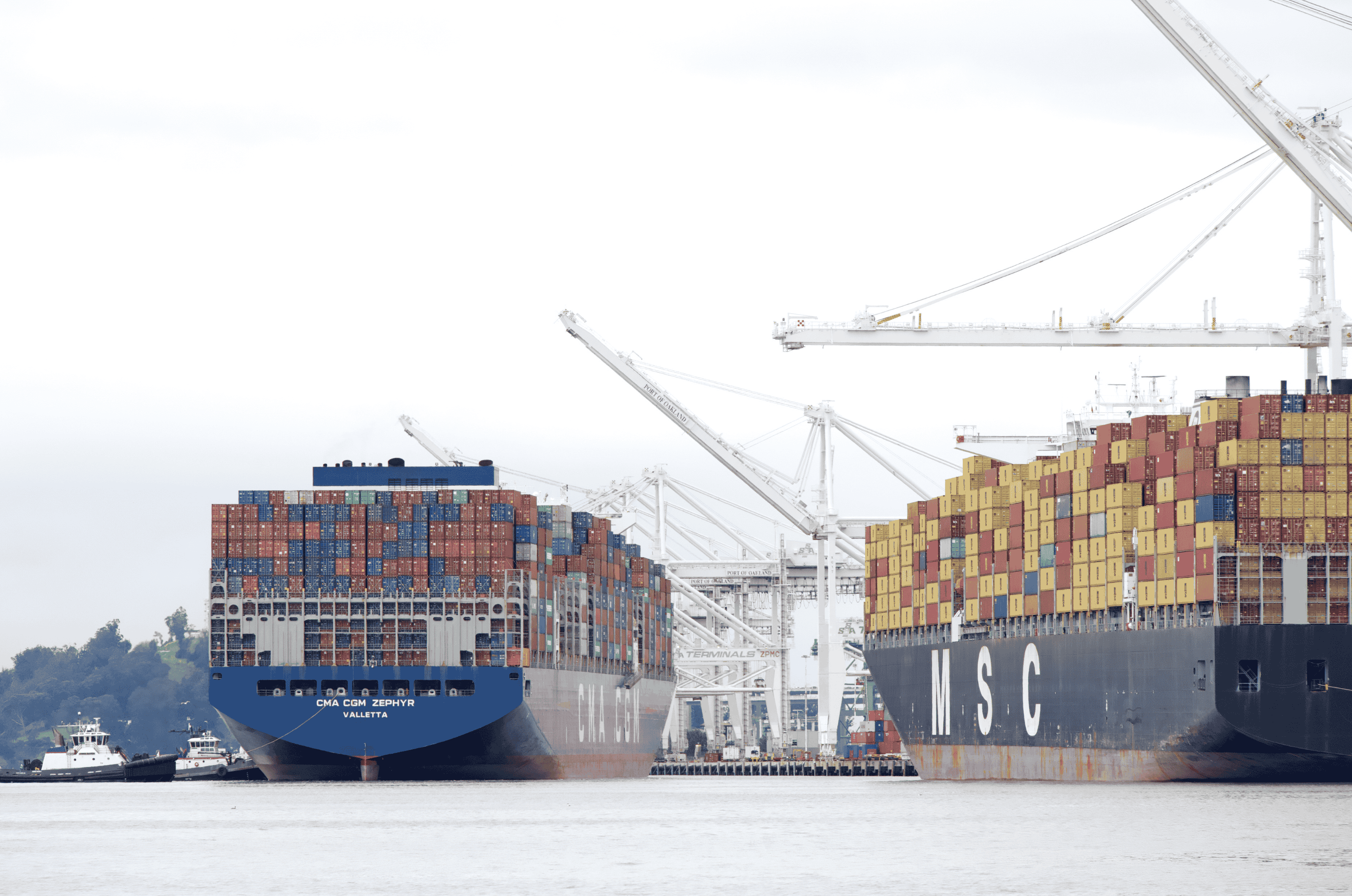
Mediterranean Shipping Company (MSC) launched its new “Eagle Service,” connecting Sydney, Melbourne, and Auckland directly to Philadelphia and Savannah.
The weekly service uses 11 vessels and routes through Panama, creating a more direct pathway between Australia/New Zealand and the U.S. East Coast.
What It Means for Shippers
For brands sourcing from or selling into Oceania, particularly in apparel, electronics, or health products, this new service creates:
- Additional capacity
- Improved schedule reliability
- Potential alternatives to West Coast routing
As East Coast ports continue gaining share, direct services like this may help avoid transshipment delays and reduce inland trucking costs.
Logistics managers should review whether this routing could:
- Improve transit time consistency
- Reduce drayage or rail exposure
- Balance risk across coasts
More routing options equal more leverage in carrier negotiations.
5. Secondary Fulfillment Hubs Gain Ground Over Congested Major Ports
A growing number of eCommerce brands are shifting distribution activity toward secondary hubs like Wind Gap, Pennsylvania, and Ellenton, Florida, instead of relying solely on major coastal gateways such as New York/New Jersey or Savannah.
These emerging hubs offer:
- Proximity to dense population centers
- Lower congestion risk
- More predictable fulfillment performance
The shift reflects a broader industry move from purely cost-driven decisions toward stability and long-term operational reliability.
What It Means for Shippers
Secondary hubs can provide:
- Faster regional ground shipping
- Reduced exposure to port congestion
- Greater operational predictability
Especially for mid-sized brands, this strategy can:
- Improve 2–3 day delivery coverage
- Simplify carrier networks
- Reduce exception management
In 2026, predictable fulfillment may be more valuable than marginal rate savings.
The Bottom Line
This week’s stories all point to the same theme: the freight market is stable but not expanding rapidly. Companies are responding by redesigning networks, decentralizing fulfillment, and tightening operational control.
For shipping and operations leaders, the opportunity lies in:
- Building flexible, multi-node networks
- Strengthening carrier diversification
- Increasing real-time visibility
- Planning carefully for transitions and scaling
Related Topics
Learn how VESYL can save you money on shipping
Not sure which plan suits you best? Have questions about our software? Contact our sales team for expert guidance.