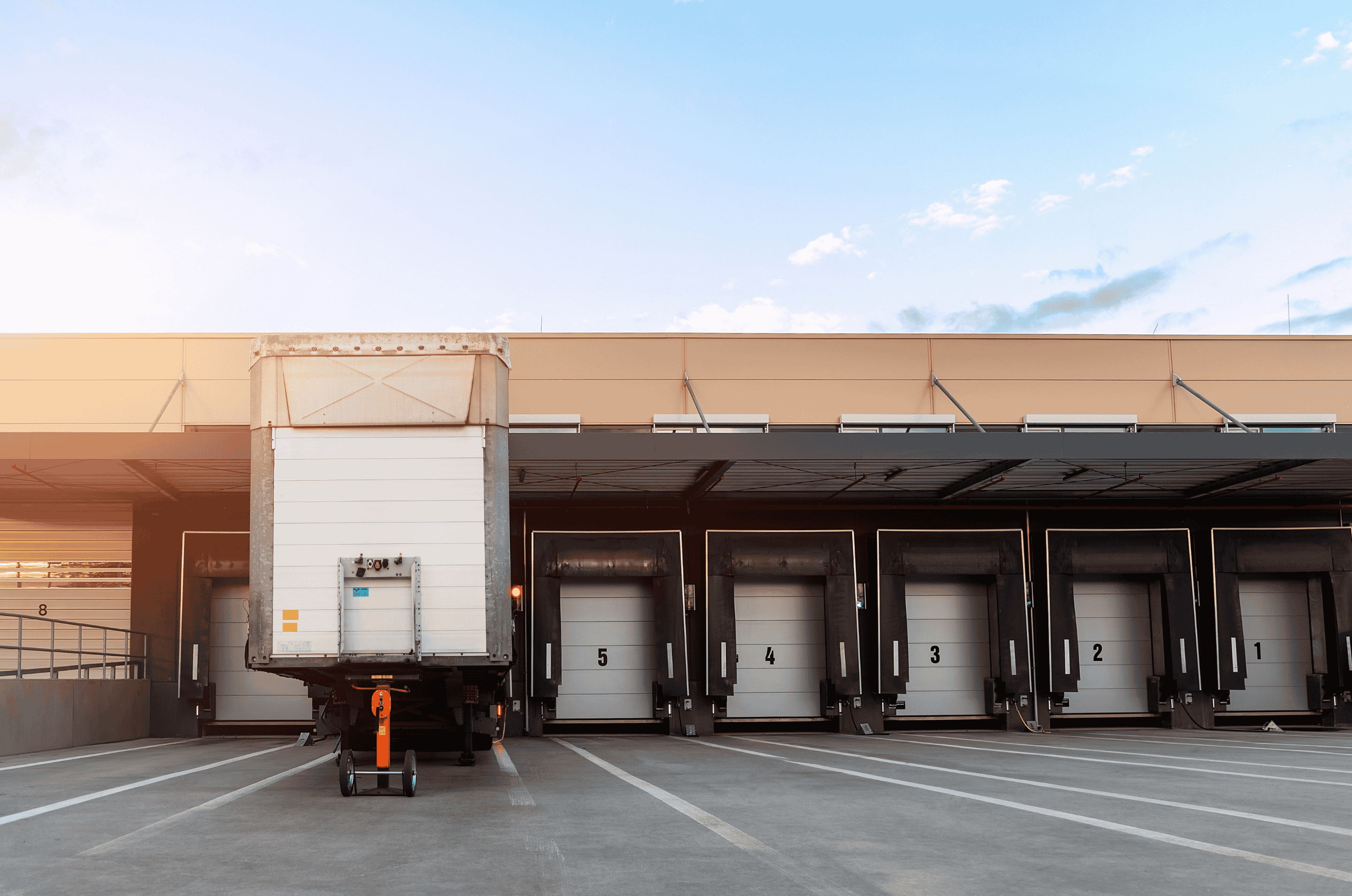

Shipping and logistics wrapped up the year with some important signals for 2026. From parcel pricing changes and tighter trucking capacity to new technology improving warehouse operations, this past week highlighted trends that will affect shipping costs, delivery speed, and customer expectations in the year ahead.
We’ve broken down the stories that matter most, and explained what they mean in real terms, so both growing businesses and large brands can plan with confidence.
Here are the 5 key shipping and logistics stories from the past week.
The Top 5 Shipping & Logistics Stories This Week
1. Parcel Rate Increases Are Only Part of the Real Cost Story
FedEx and UPS announced their 2026 General Rate Increases (GRIs) at around 5.9%. At first glance, that increase looks manageable. But for most shippers, the bigger cost impact won’t come from the base rate.
Instead, carriers continue to raise prices through extra fees and surcharges, such as address corrections, residential delivery fees, and delivery area surcharges. These fees can change throughout the year and often catch shippers off guard.
What It Means for Shippers
Whether you ship a few hundred packages a month or thousands a day, it’s no longer enough to budget for the GRI alone. Monitoring extra fees and understanding how your shipments are priced is key to controlling costs. Using multiple carriers and tracking shipping data can help reduce surprise charges.
2. Warehouse Loading Docks Get Smarter With AI
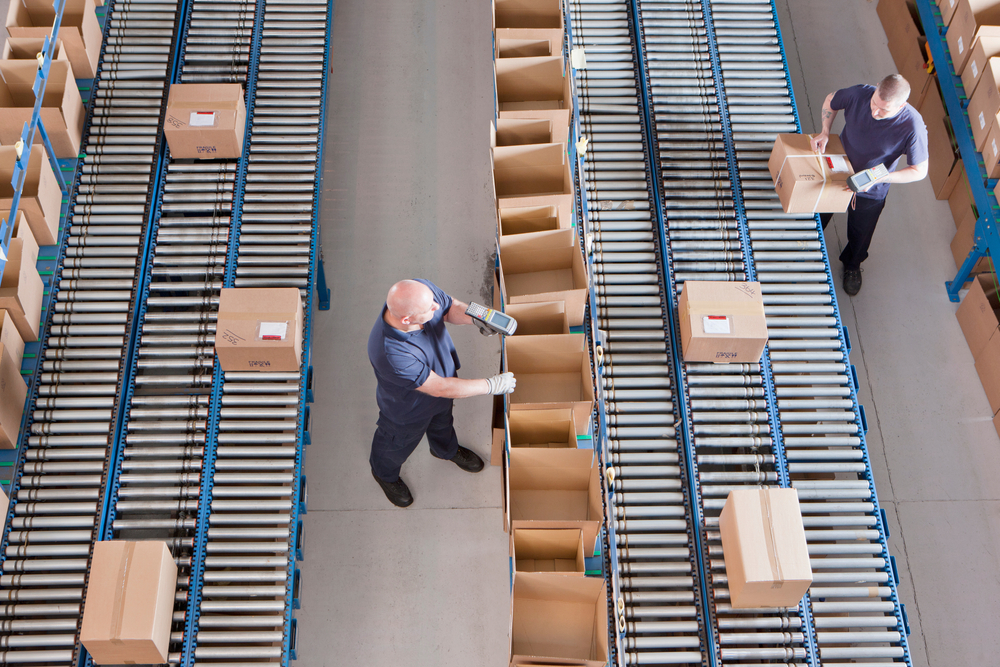
Logistics technology company Kargo.ai raised $42 million to expand its AI-powered camera systems at warehouse loading docks. These systems automatically check inbound and outbound shipments, reducing manual scanning and errors.
In the future, the technology will also help automate tasks like freight billing, claims, and paperwork, areas that often slow teams down.
What It Means for Shippers
For fast-growing businesses, this shows where fulfillment is headed. Automating the loading dock helps warehouses move faster, reduce mistakes, and scale without adding more labor. Even smaller shippers can benefit indirectly as 3PLs and carriers adopt these tools to improve accuracy and turnaround times.
3. Cross-Border Ecommerce Brings More Attention to Small Parcel Imports
U.S. Customs reported that duties collected from low-value eCommerce shipments have passed $1 billion, driven by the growth of cross-border online orders. Many of these shipments use the “de minimis” rule, which allows low-value packages to enter the U.S. with fewer fees.
Because of this growth, regulators are paying closer attention, and changes to the rule are becoming more likely.
What It Means for Shippers
If your business ships directly to U.S. customers from overseas, this is something to watch closely. New rules could mean added costs or paperwork in the future. Planning ahead, by reviewing fulfillment locations, carrier options, and customs processes, can help protect margins if regulations change.
4. 2026 Will Focus on Making AI Useful, Not Perfect
According to a major logistics provider’s outlook, most companies aren’t ready for fully automated, AI-driven supply chains yet. The main challenge is messy or incomplete data across different systems.
As a result, 2026 will be about using AI in practical ways, such as improving delivery date accuracy, rather than large, complex transformations.
What It Means for Shippers
Before advanced AI can deliver big savings, businesses need clean data and connected systems. A good starting point is improving delivery date accuracy, which helps set better customer expectations and reduces support tickets. This is an area where both small and large shippers can see quick wins.
5. Trucking Capacity Tightens When It’s Usually Quiet
Normally, trucking demand slows down in late December. This year, the opposite happened. Data shows that trucking capacity is tighter than expected, and spot market rates are rising.
This is being caused by fewer trucks in the market and weather-related disruptions in some regions.
What It Means for Shippers
If you rely on last-minute or spot trucking, expect higher prices and less availability. Larger shippers may want to review early 2026 contracts now, while smaller businesses should plan shipments carefully and avoid tight delivery windows where possible.
The Bottom Line
As 2025 comes to a close, one thing is clear: shipping is becoming more complex, not just more expensive. Extra fees, capacity swings, and new technology are changing how goods move and how costs add up.
For businesses of all sizes, the best approach in 2026 will be staying informed, using data to guide decisions, and building flexibility into shipping and fulfillment strategies.
Understanding what’s changing today can help you ship smarter tomorrow.
Related Topics
Learn how VESYL can save you money on shipping
Not sure which plan suits you best? Have questions about our software? Contact our sales team for expert guidance.

.png)
%20(1).png)