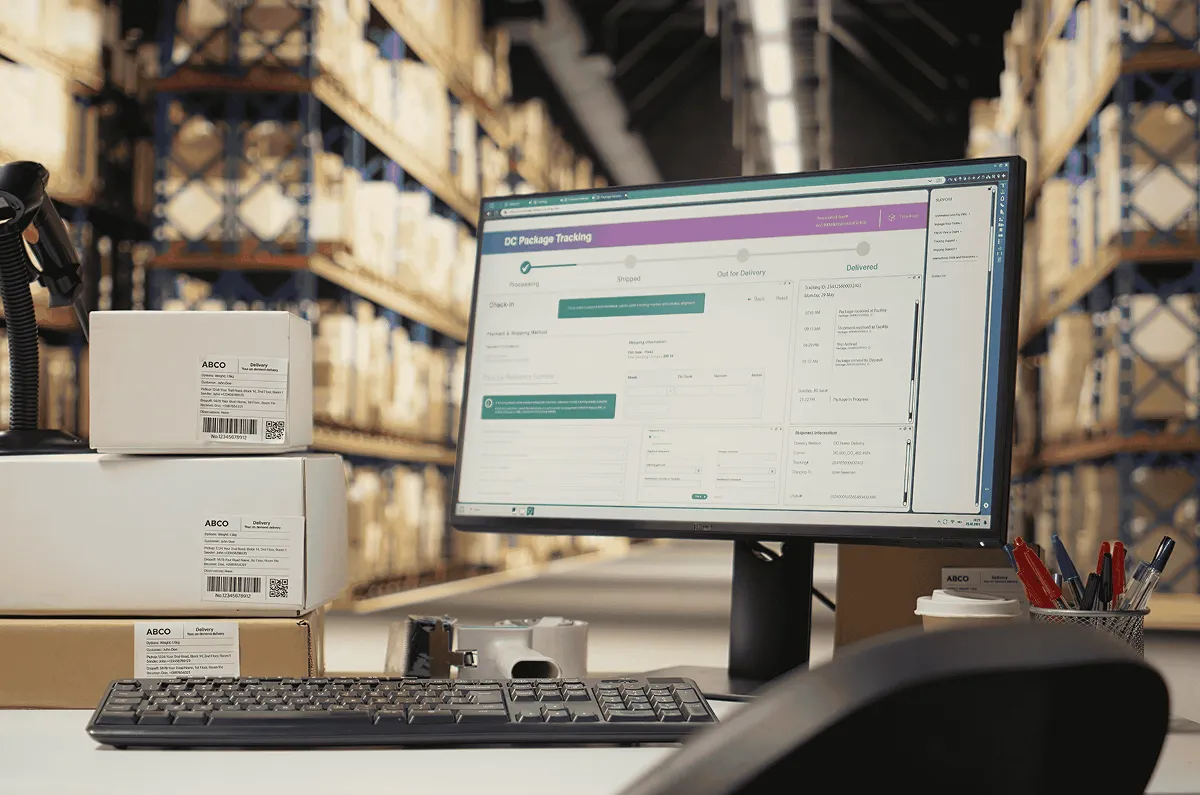

Ecommerce shipping software is only useful if it actually talks to the platform you sell on. A tool that generates labels but can't sync order data, inventory, or tracking status back to your store just creates a second system to manage by hand. That defeats the purpose of automating anything in the first place.
This article covers what a real integration between shipping software and your ecommerce platform should do. It also covers how integration depth varies across platforms and marketplaces, and what to look for so you're not stuck re-entering data manually after the fact.
Why Integration Depth Matters More Than Integration Count
Choosing the right ecommerce shipping software often comes down to how many platforms it claims to connect with. That number matters less than how deep each connection actually goes. A shallow integration might sync order totals but miss inventory updates, or generate a label without pushing tracking information back to the customer's order page.
The gap shows up in specifics. A connection that syncs orders but not order edits means a customer who changes their address after checkout gets a label printed to the old one. A connection that pushes labels but not tracking means your support inbox absorbs the difference. Neither of those appears on an integration list. Both appear in your week.
Evaluating shipping software against your specific shipping challenges is what tells you whether an integration solves a problem or adds one. A long feature list won't. Order volume and carrier needs are critical factors here too, since a small store with one sales channel has very different integration requirements than a brand running multiple channels at once.
What a Good Shipping Software Integration Actually Does
A seamless integration between shipping software and your ecommerce platform automates the parts of order fulfillment that used to require manual data entry.
Order Data Syncing in Real Time
When an order comes in on your online store, integrated shipping software should pull that order automatically. No copying details from one system into another.
Automated data flow keeps every system current without anyone checking for updates. The shipping software always has the live order details rather than a version someone remembered to refresh.
Inventory Management Across Sales Channels
Multi-channel inventory management is one of the more valuable outcomes of a good integration. When inventory updates flow automatically between your shipping software and every sales channel you sell on, it prevents overselling and stockouts on a channel that wasn't updated in time.
This matters more the more channels you're selling across. Manual inventory tracking gets harder to keep accurate with each additional channel added.
Automated Label Generation From Platform Order Data
Once order data is synced, shipping software should generate shipping labels directly from that information. No manual re-entry of the address, weight, or service level.
This is where a lot of the actual time savings show up. Automated label generation and tracking removes the most repetitive step in the ecommerce shipping process entirely.
How Platform Integrations Differ
Not all platform integrations are built the same way. It's worth understanding how they differ before assuming any shipping software will work the same across your stack.
Native App Integrations on Hosted Platforms
Shopify is where most ecommerce shipping software builds first, particularly for the merchant sizes that generate real shipping volume. Integrations there tend to be native, built into the platform's app ecosystem rather than requiring custom setup. That usually means faster installation and more reliable syncing out of the box.
BigCommerce and other hosted platforms typically follow the same native pattern. The depth still varies with how much the vendor has invested in that specific connection.
Plugin Integrations on Self-Hosted Stores
WooCommerce and other self-hosted stores can require a bit more setup, since the integration often depends on a plugin rather than a fully native app. The functionality can end up just as strong.
What's worth confirming is update frequency and support quality for self-hosted setups specifically. Those are the two variables that determine whether a plugin connection stays as reliable as a hosted one over time.
Integration With Marketplaces and Multi-Channel Selling
Selling across multiple online marketplaces adds a layer of complexity that a single ecommerce platform integration doesn't have to handle. Multi-channel shipping software needs to consolidate orders from every marketplace into one place. Otherwise a brand selling on their own store plus one or two marketplaces ends up managing separate fulfillment processes for each.
Shipping software supports centralized management of orders across multiple channels, which is the real value for online sellers running more than one storefront. Without that consolidation, order fulfillment turns into logging into three or four separate dashboards just to see what needs to ship today.
What Breaks When Integration Is Shallow
A shallow integration tends to fail quietly at first. Orders sync, but inventory doesn't. Labels print, but tracking information never makes it back to the customer's order status page. That produces a wave of "where is my order" messages a proper integration would have prevented automatically.
Manual data entry creeps back in exactly where the integration falls short, which is often the first sign something isn't connected as well as it should be. Human error tends to follow closely behind. A manually re-entered address is far more likely to have a typo than one pulled directly from platform order data.
Over time, this erodes customer satisfaction and customer loyalty. Delayed or incorrect shipments are one of the more direct ways a brand loses trust with a buyer.
What to Ask Before Choosing Shipping Software Based on Integrations
Before committing to shipping software, ask specifically how deep the integration goes for your platform, not just whether it's listed as supported. Does inventory sync in real time or on a delay? Does a canceled or edited order in your store update automatically, or does that require manual correction on the shipping side?
It's also worth asking about carrier flexibility alongside the integration itself. The best platform connection in the world doesn't help much if the software behind it only works with one carrier. Multi-carrier support and automated rate shopping determine what happens after the order arrives. The integration determines whether it arrives cleanly in the first place.
VESYL sits across both sides of that. The store connection controls what data comes in, and the rate logic controls how it goes out. Evaluating those separately is how brands end up with a clean integration into a tool that can't ship the order well, or good rates locked behind a connection that drops orders.
Related Topics
Learn how VESYL can save you money on shipping
Not sure which plan suits you best? Have questions about our software? Contact our sales team for expert guidance.