
The rules for getting goods into the U.S. just changed, and the cost of moving them there isn’t coming down.
Peak is here, but this week’s biggest stories sit upstream of the label. Customs requirements are tightening, ocean and cross-border capacity are splitting by lane, and carriers and automation vendors are moving deeper into the work operators already run. The common thread is that averages hide the real cost and the real risk.
The Top 5 Shipping Stories This Week
1. CBP Tightens the Rules for Foreign Importers of Record
U.S. Customs and Border Protection published an interim final rule on November 6. Starting January 5, 2027, a foreign importer of record must either be CTPAT-validated or use a licensed, CTPAT-validated customs broker. The rule also adds new importer declarations and broker verification duties, and full broker compliance is due by May 6, 2027.
What It Means for Shippers
If you sell into the U.S. through a foreign entity, the people who file your entries may need to change. Getting this wrong can mean live entries, lost immediate-delivery privileges and inventory held at the border. That’s a stockout risk, not a paperwork problem.
- Map every foreign IOR structure, power of attorney and broker relationship you use today
- Get your broker’s CTPAT validation status in writing before January 5
- Ask your customs and marketplace partners where the new declarations will live in their systems
- Build any broker changes into your Q1 launch timelines
Before any cross-border campaign in 2027, confirm your IOR setup is validated, the same way you’d confirm inventory is on hand.
2. Trans-Pacific Ocean Rates Stay High as Carriers Push November Increases
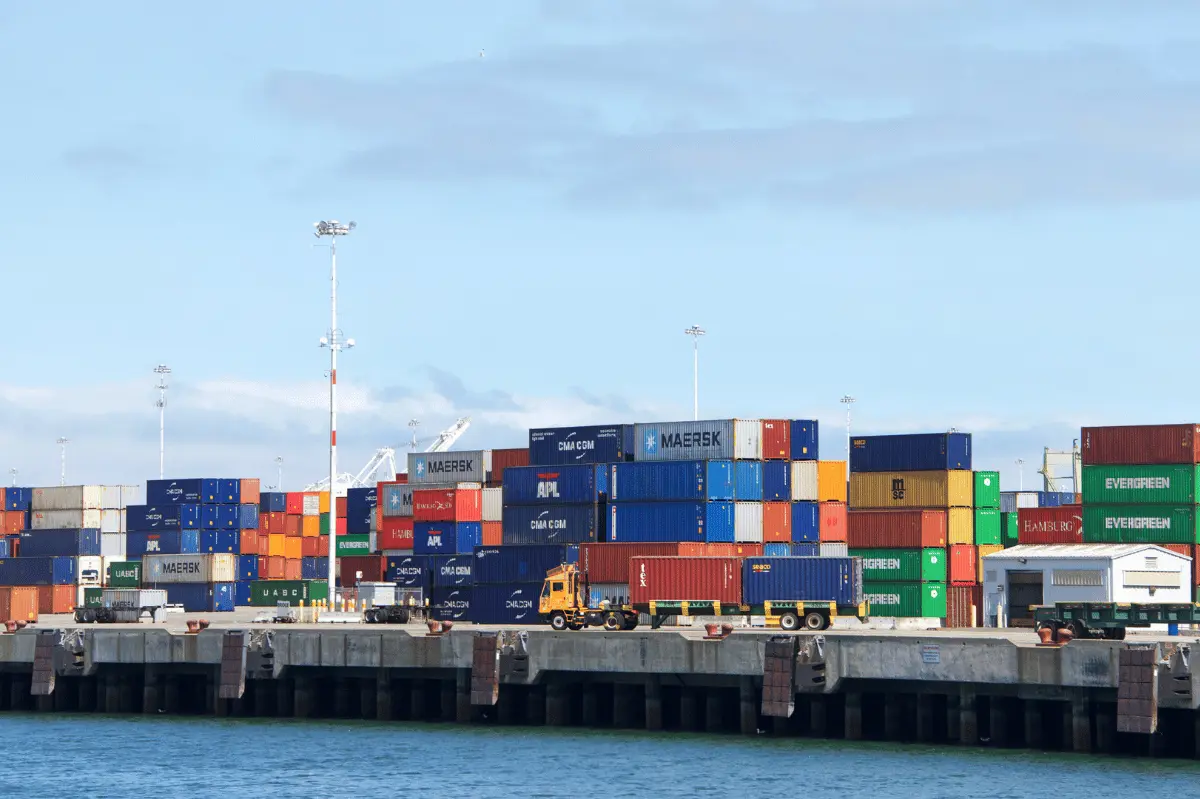
FreightWaves reported that trans-Pacific rates are holding well above pre-peak levels, even as demand eases. Carriers were seeking November increases of $2,000 to $3,000 per FEU. Asia to the U.S. East Coast sat near $9,900 per FEU, down 6% week over week, while the West Coast sat near $8,300.
What It Means for Shippers
Softer demand does not automatically mean lower landed cost. Forwarders report more space and steadier schedules, so the proposed increases may not stick. Budget leaks in the gap between the price carriers announce and the price you actually pay.
- Check paid invoices against announced GRIs and surcharges, line by line
- Track rollovers and blank sailings separately for East and West Coast gateways
- Reforecast landed cost for two cases: the increases hold, or they fail
The announced rate and the rate you secure are two different numbers, so build your budget on the second one.
3. North American Cross-Border Capacity Splits by Corridor
C.H. Robinson’s November update showed Mexican exports up 37.9% year over year in September, with imports up 33.1%. Growth is spreading beyond autos into electronics and advanced manufacturing. El Paso is tightening, Nogales is competing with produce flows, and southbound U.S.-Canada demand keeps outpacing northbound backhaul.
What It Means for Shippers
There is no single cross-border market. Capacity, rates and transit reliability depend on the gateway and the direction. Canadian driver supply and the rules for cross-border drivers could keep pressure on into 2027.
- Refresh tender plans lane by lane, with a named backup for each gateway
- Recheck carrier qualifications and security certifications before moving volume to a lane that looks open
- Book earlier on constrained corridors and commit to round-trip volume where you can
- Review route-guide failures every week, not every month
Plan around the corridor most likely to fail, not the continental average.
4. FedEx Rolls Out Authenticated Delivery and Branded Post-Purchase Tools for Peak
FedEx made Authenticated Delivery available in the U.S. and Canada as a paid upgrade for high-value shipments. The driver releases the parcel only after the recipient shows a unique QR code. FedEx also highlighted branded tracking and returns tools, plus a duty estimator and a Shopify app that shows import costs at checkout.
What It Means for Shippers
These tools address three peak problems: high-value loss, WISMO volume and duty surprises at delivery. How much they help depends on integration, pricing and whether the service is actually available on your account. Test them before you count on any savings.
- Flag high-value SKUs and price the upgrade against what loss claims cost you today
- Test the recipient flow and exception handling before customers run into it
- Compare tracking and returns options against your current WISMO ticket volume
- Check displayed duties against your broker’s results before you show them at checkout
Post-purchase is now part of fulfillment. Keep it in your own channel and measure what it costs.
5. AutoStore Moves Upstream With Logiqs Acquisition
AutoStore agreed to acquire Netherlands-based Logiqs for up to €30 million. Logiqs builds roaming robots that store and retrieve pallets, and its systems run at about 30 customer sites. The deal is expected to close in Q4 2026.
What It Means for Shippers
Most warehouse automation has focused on the pick face. This deal moves toward pallet storage and replenishment, the upstream steps that quietly limit throughput. In the near term, nothing changes on your floor.
- Find out whether your real constraint is picking, replenishment or reserve storage
- Ask automation vendors for integration roadmaps and WMS interface commitments in writing
- In 2027 capital plans, keep what vendors can install today apart from what they’re only promising
The bottleneck usually sits one step upstream from where teams look, so plan automation around that step.
The Bottom Line
This week’s stories teach the same lesson: the average hides the problem. Announced rates differ from paid rates, and what looks like one cross-border market is really a set of corridors. The pick face is rarely the only constraint, and customs compliance now depends on exactly who files your entry. The operators who come out ahead in 2027 will plan lane by lane, entry by entry and invoice by invoice.
Related Topics
Learn how VESYL can save you money on shipping
Not sure which plan suits you best? Have questions about our software? Contact our sales team for expert guidance.