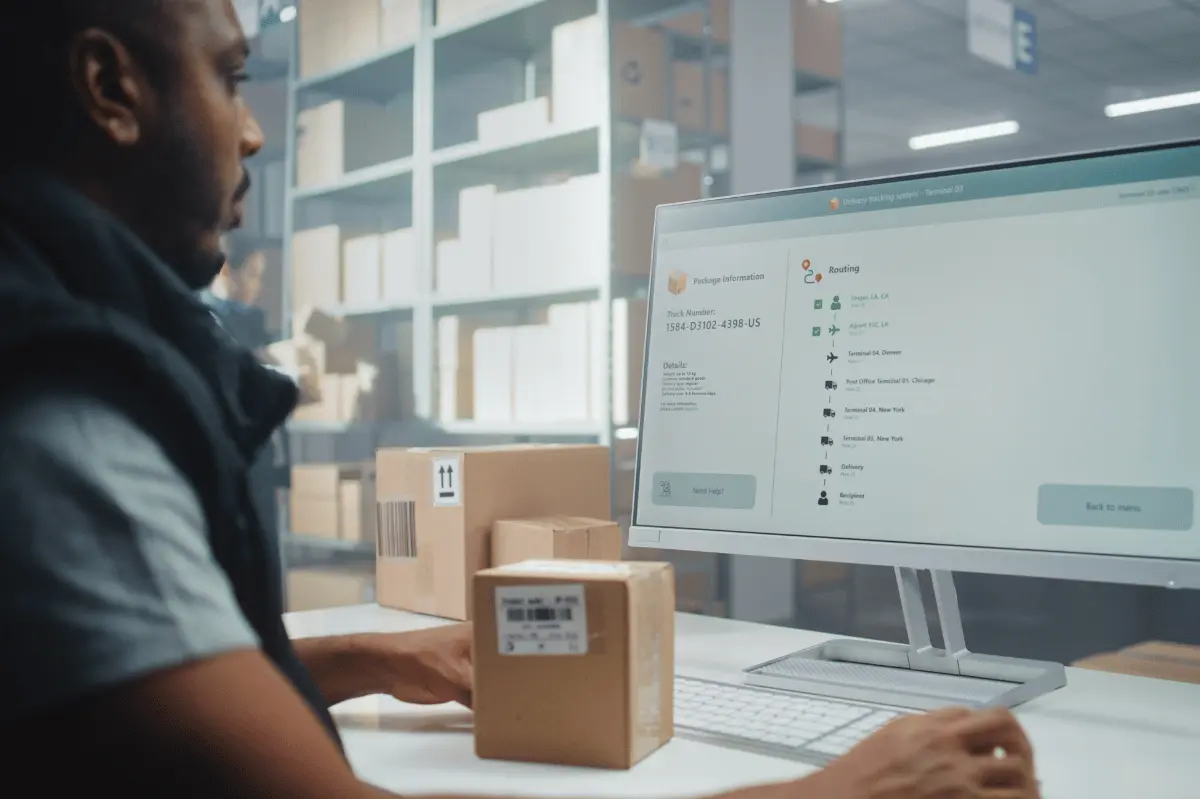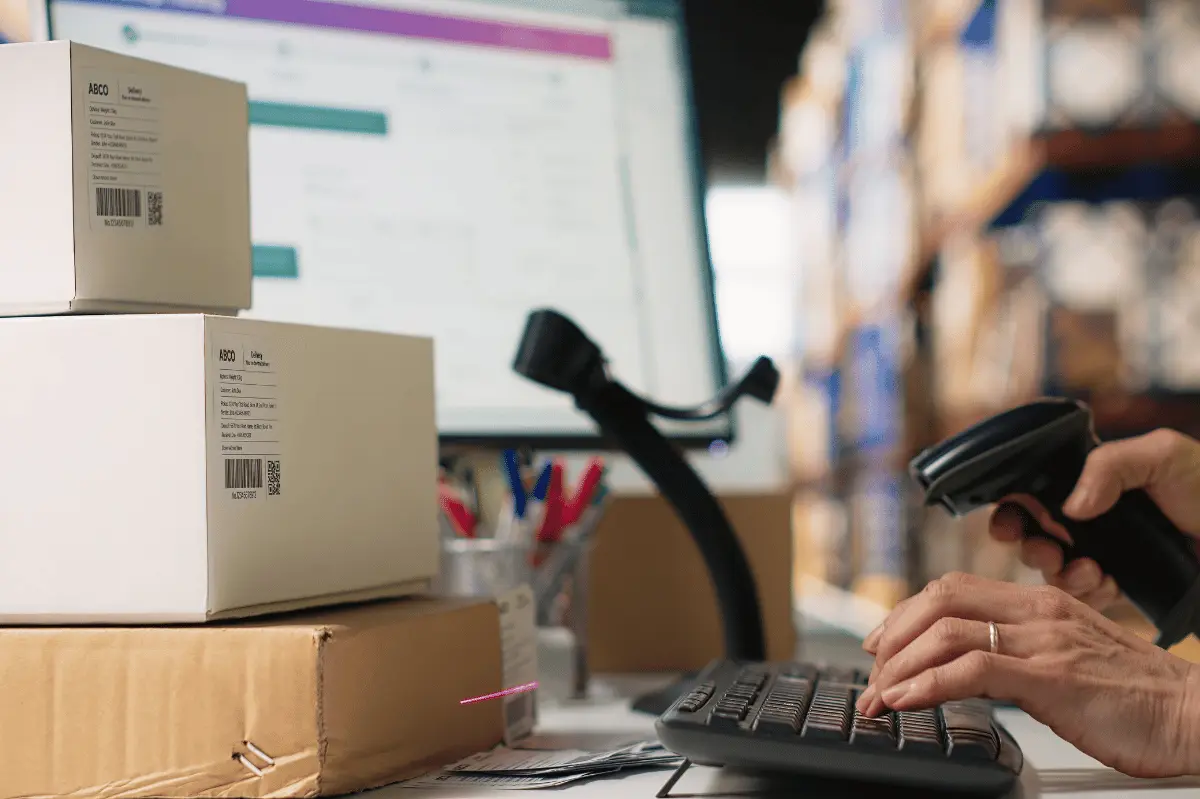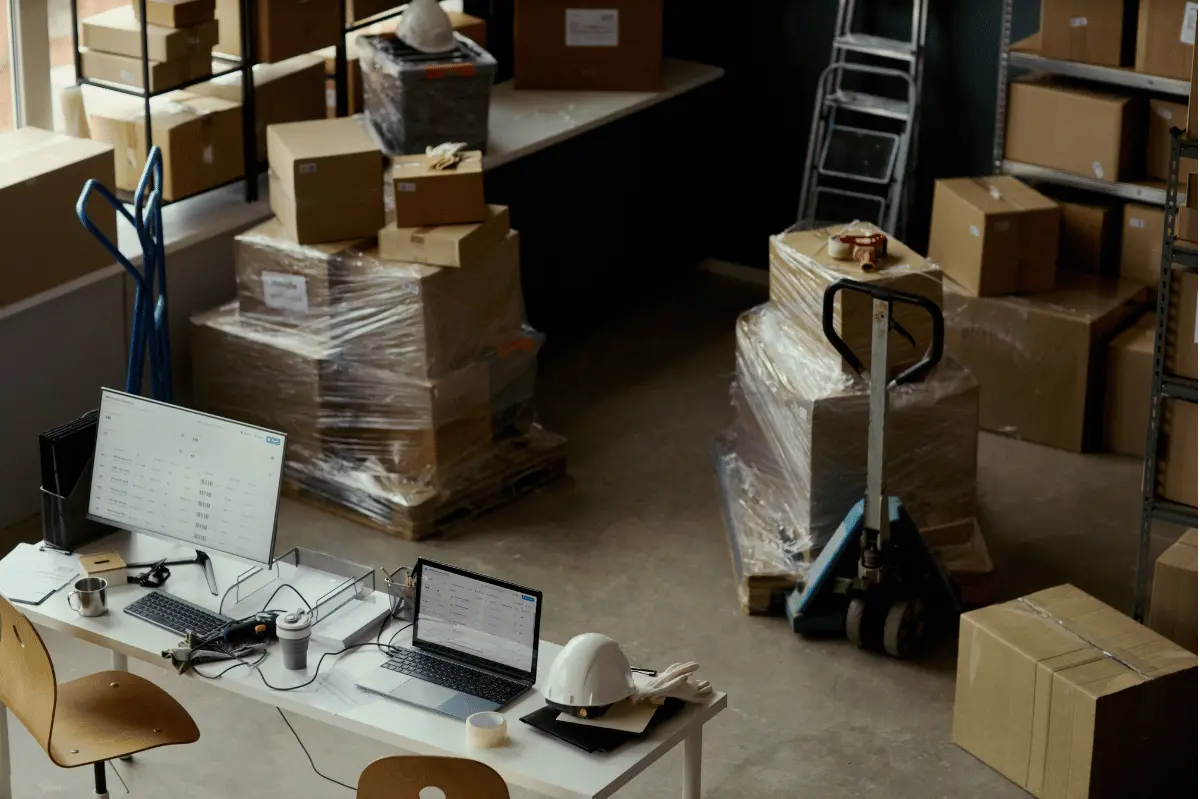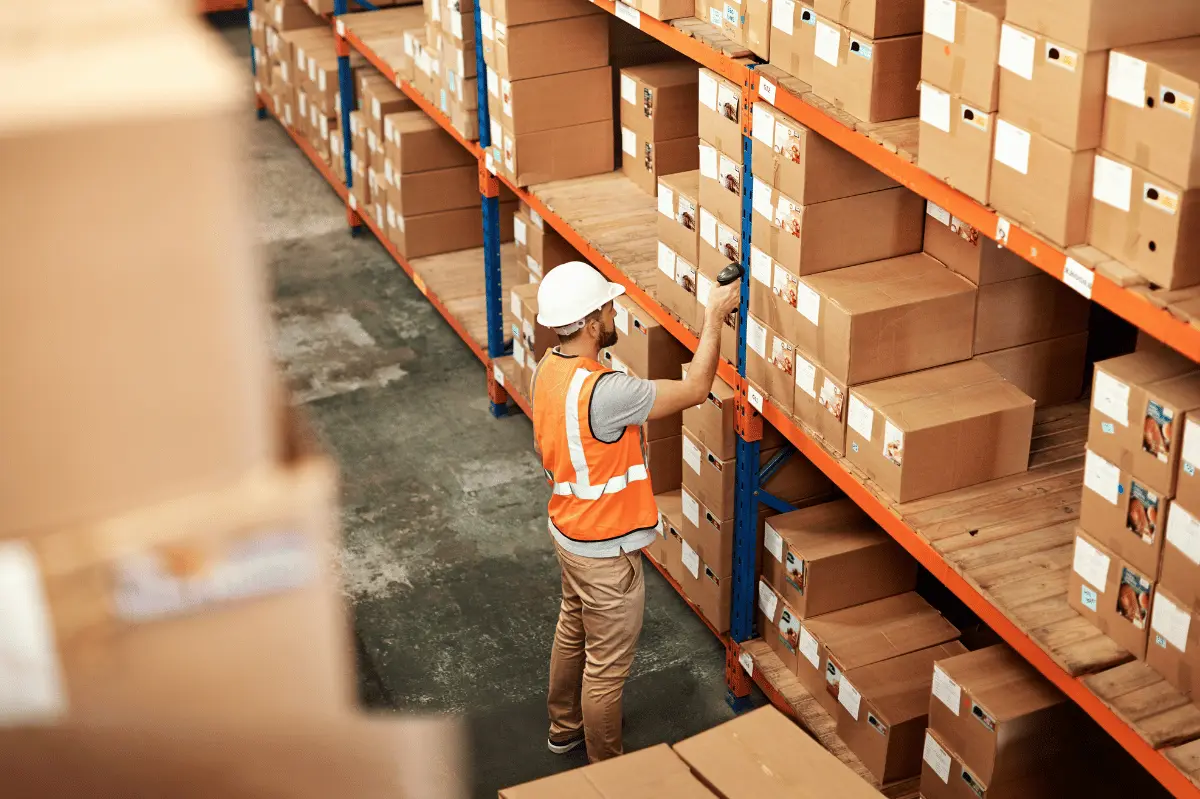

The decisions made when a warehouse is set up, where products are stored, how pick paths are designed, where packing stations sit, and how the outbound flow connects to carrier pickup, shape every fulfillment decision that follows. A poor layout does not show up as a single visible failure. It shows up as compounding inefficiency across thousands of daily movements that each cost a few extra seconds and add up to hours of avoidable labor per shift.
The Connection Between Layout and Shipping Efficiency
Warehouse layout affects shipping efficiency at every stage of the fulfillment workflow. Pick path length determines how long it takes to collect items for each order. Pack station placement determines how far picked items travel before they are packed. Label application and staging areas determine how smoothly packed orders flow to carrier pickup without creating bottlenecks at the end of the line.
Each of these distances and flows is a design decision. In a well-designed warehouse, the physical movement of product through the fulfillment workflow is as short and direct as possible. In a poorly designed one, the same workflow covers significantly more ground, takes significantly more time, and creates significantly more opportunity for errors and delays at each handoff point.
Slotting Strategy and Its Impact on Pick Efficiency
Slotting is the assignment of products to specific storage locations within the warehouse. It is one of the highest-leverage layout decisions because it directly determines how far pickers travel to collect items for each order.
High-velocity SKUs stored far from packing stations force pickers to cover unnecessary distance on the most frequent picks in the operation. The same SKUs stored in prime locations close to packing stations reduce travel time on every pick that includes them, which at high daily volumes is a significant cumulative time saving.
ABC analysis is the standard framework for slotting decisions. A-category SKUs with the highest pick frequency go in the most accessible locations. B-category SKUs with moderate frequency go in secondary locations. C-category SKUs with low frequency go in the locations that require the most travel. The logic is straightforward. The discipline of applying it consistently and updating it as velocity patterns change is where most operations fall short.
Co-location of frequently ordered together SKUs reduces the pick path for orders that include multiple items. If two products are ordered together frequently, storing them near each other means the picker collects both on a short path rather than traveling to opposite ends of the warehouse for a common order combination.
Pick Path Design
Pick path design determines the route pickers follow through the warehouse to collect items for each order or batch of orders. A well-designed pick path minimizes backtracking, eliminates unnecessary aisle traversal, and sequences picks in a logical order that reduces total travel distance.
Batch picking, where a picker collects items for multiple orders simultaneously on a single pass through the warehouse, compounds the efficiency of good pick path design. A picker collecting items for ten orders on one pass covers far less ground than ten pickers each covering the same path for a single order. The efficiency gain requires both the pick path logic and the batch picking workflow to be designed together rather than independently.
Zone picking divides the warehouse into defined areas with dedicated pickers responsible for each zone. Orders that require items from multiple zones are fulfilled in parallel by multiple pickers and consolidated before packing. For large warehouses with wide product ranges, zone picking reduces individual travel distance and allows pickers to develop deep familiarity with their specific area, which improves both speed and accuracy.
Pack Station and Outbound Flow Design
Pack station placement and design affect the speed and accuracy of the packing stage and the flow of packed orders to carrier staging and pickup.
Pack stations positioned at a logical endpoint of the pick path reduce the distance traveled between picking and packing. Stations designed with the materials needed for packing readily accessible, without requiring the packer to move to retrieve boxes, void fill, or tape, reduce the time spent on each pack cycle.
Outbound staging areas where packed orders are sorted by carrier and pickup time before tendering need enough capacity to hold the volume that builds between carrier pickups without creating congestion that slows packing throughput. Carrier pickup areas positioned to minimize the movement of staged packages from the pack area to the carrier reduce the final handling step before packages leave the building.
The Cost of Getting Layout Wrong
Poor warehouse layout is an invisible tax on every shipment that leaves the building. It does not appear as a line item on a carrier invoice or a fulfillment error report. It appears as labor hours that should not have been necessary, throughput rates below what the team and space could achieve with a better configuration, and error rates that reflect the cognitive and physical load of a workflow that asks too much of the people executing it.
Layout improvements typically require capital investment and operational disruption during the reconfiguration period. The return on that investment is measured in labor efficiency gains and throughput improvements that compound across every shift the improved layout runs.
Warehouse layout creating friction in your fulfillment workflow that is showing up in throughput and labor costs? Talk to one of our shipping experts. Book a demo.
Related Topics
Learn how VESYL can save you money on shipping
Not sure which plan suits you best? Have questions about our software? Contact our sales team for expert guidance.