
This week, the line between global conflict and your shipping costs got a lot shorter.
Geopolitical escalation in the Middle East, a federal bill that could drain trucking capacity, and Amazon squeezing its own seller base — this week's news is a stress test for supply chains that have no room for complacency. Operators paying attention will be rethinking routing, locking in carrier relationships, and questioning over-reliance on any single platform.
The Top 5 Shipping Stories This Week
1. U.S. Seizes Iranian Cargo Ship as Naval Blockade Escalates
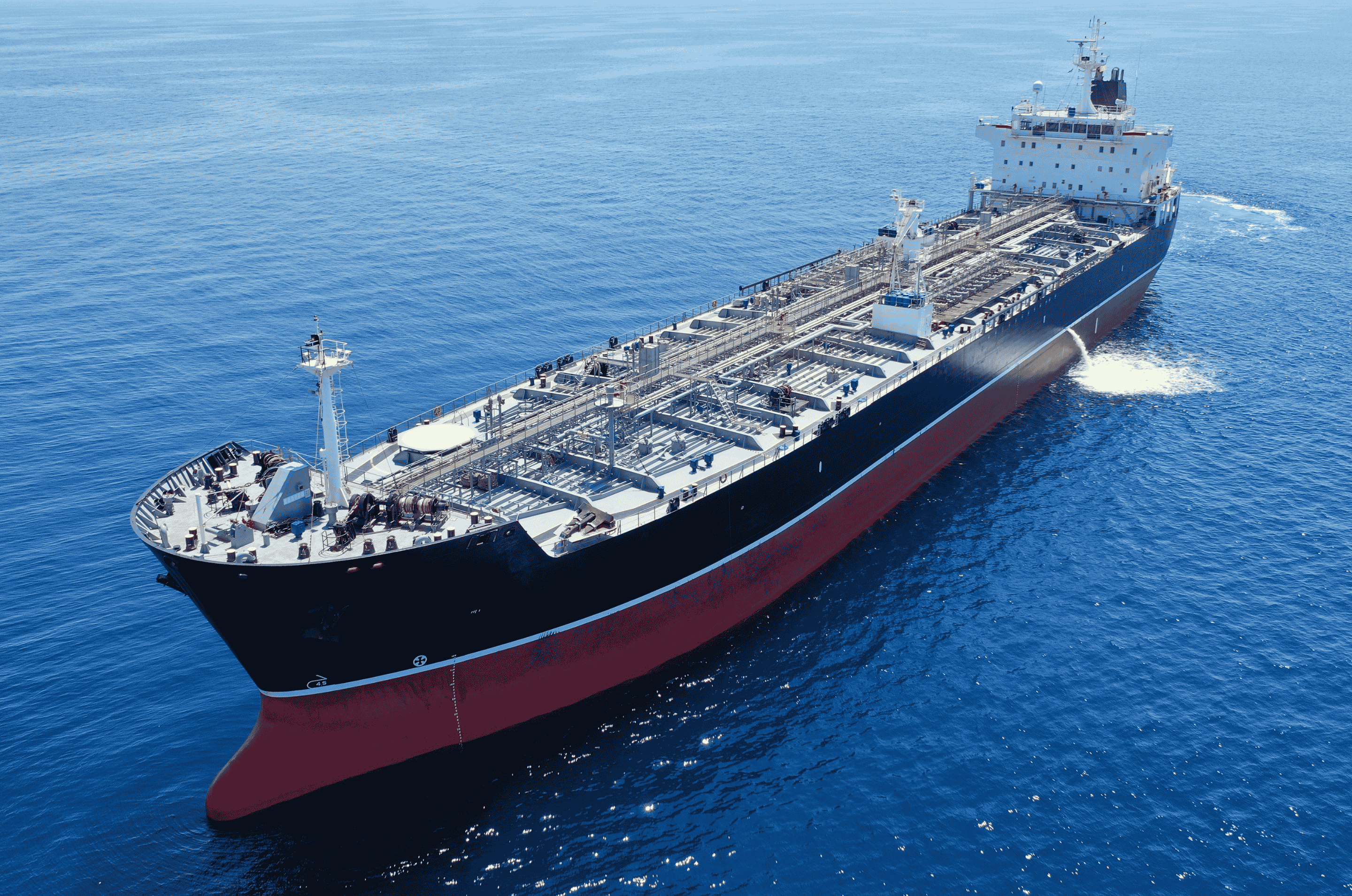
The U.S. military seized an Iranian-flagged cargo vessel near the Strait of Hormuz on April 19, following the implementation of a naval blockade on Iranian port traffic that began April 13. Iran has responded with threats of retaliation and the potential suspension of all regional trade. The Strait of Hormuz handles roughly 20 percent of global oil consumption. Disruption here moves fuel costs everywhere.
What It Means for Shippers
Any optimism from recent oil price drops should be on hold. Fuel surcharge adjustments from carriers are likely if instability in the region continues to build.
- Expect surcharge notifications from major carriers within the next two to four weeks if tensions hold or worsen
- International shipments routed through or adjacent to the Gulf need contingency routing identified now, not later
- Domestic fuel costs will also feel the upstream pressure, this isn't just an ocean freight problem
- Review your carrier contracts for fuel surcharge escalation clauses so you're not caught off guard
The situation is still developing, and operators should be monitoring carrier communications closely for rate adjustment notices.
2. FedEx Launches SameDay Local with Two-Hour Delivery
FedEx officially launched FedEx SameDay Local, offering two-hour and end-of-day delivery options through a partnership with last-mile provider OneRail. The service connects retailers to over 1,000 delivery providers, giving mid-sized brands access to fulfillment speed that was previously only viable at Amazon or Walmart scale. This is a direct play to redistribute fast-delivery capability across the market.
What It Means for Shippers
Same-day is no longer a differentiator exclusive to the platforms with their own logistics arms. The question is whether your fulfillment setup is positioned to take advantage of it.
- Brands with local or regional inventory nodes are best positioned to activate this quickly
- Retailers currently losing conversion to Amazon on delivery speed have a credible alternative to test
- Integrating SameDay Local into a multi-carrier strategy could allow selective use for high-margin or time-sensitive orders
- If your current WMS or shipping platform can't connect to new carrier services without heavy IT involvement, that's the bottleneck to solve first
FedEx SameDay Local is worth a pilot for any brand already running split fulfillment or regional distribution.
3. Dalilah's Law Could Remove Up to 15 Percent of Truck Drivers
A federal bill called Dalilah's Law has cleared committee and is advancing through Congress. The legislation would restrict CDL issuance to undocumented immigrants and revoke licenses held by non-domiciled drivers. Industry analysts project it could reduce the active driver pool by up to 15 percent over the next 12 months, compressing domestic freight capacity at a time when rates are already under pressure.
What It Means for Shippers
A 15 percent reduction in driver availability doesn't mean 15 percent longer transit times. It means tighter capacity, harder-to-book lanes, and upward pressure on spot and contract rates.
- Shipper-carrier relationships with committed capacity will matter more than they have in years, now is the time to strengthen them
- Intermodal rail becomes more attractive for non-time-sensitive freight as truckload availability shrinks
- Spot market rates will likely become more volatile, particularly on high-demand lanes
- Brands with tight delivery windows should pressure-test those SLAs against a constrained capacity scenario
Dalilah's Law isn't passed yet, but its direction is clear enough to start adjusting freight strategy now.
4. Amazon Sellers Boycott Ad Platform Over Cash Flow Squeeze
A coalition of seven-figure Amazon sellers organized a one-day advertising boycott on April 15, protesting Amazon's shift to automatically deducting ad costs from retail proceeds rather than allowing credit card payment. Combined with delayed payouts and new FBA fees, sellers argue the change creates a serious cash flow problem. The boycott itself was largely symbolic, but the underlying tension is not.
What It Means for Shippers
The cost of selling on Amazon keeps rising. For brands that have anchored their fulfillment strategy around FBA, the economics are getting harder to defend.
- The deduction-from-proceeds model compresses working capital for sellers who rely on advertising to drive volume
- New FBA fee structures compounding with advertising changes can quietly erode margins that look healthy on the surface
- Brands already running DTC channels have more leverage here. Owning your shipping operation gives you more control over cost per shipment
- This is a signal to model out the true cost of FBA versus a hybrid or independent fulfillment approach, if you haven't done it recently
Platform dependency is a cost center. The operators recalibrating now will have more options when Amazon makes its next policy change.
5. Japan Port Strike Paused, Next Round of Talks Set for April 28
Japan's national port workers union reached a temporary agreement on April 15 to pause an indefinite nightly work ban that had been causing cargo delays across the country. The strike involved workers refusing to handle cargo from 6 p.m. through the start of the next business day, creating significant disruption for vessels with evening arrival windows. The agreement is not a resolution, negotiations resume April 28.
What It Means for Shippers
The pause is not a resolution. Businesses moving goods through Japanese ports have a two-week window before the situation could deteriorate again.
- Shipments with flexible timing should be scheduled to avoid evening arrival windows through at least early May
- Buffer inventory on SKUs sourced from or transiting through Japan should be reviewed against a potential renewed disruption scenario
- Monitor the April 28 negotiation outcome closely. A breakdown in talks could reinstate or escalate work bans quickly
- Trans-Pacific routes touching Japan may see flow-on delays even if your origin is not directly affected
This situation warrants closer attention than it's getting from most U.S. supply chain teams.
The Bottom Line
This week is a reminder that supply chain risk doesn't arrive with a warning label. Geopolitical escalation, regulatory shifts, platform policy changes, and labor disputes are all moving at the same time, and each one has a direct line to your cost structure or your capacity. The operators who handle this well aren't the ones reacting fastest. They're the ones who already built in flexibility: diversified carriers, alternative routing, independent fulfillment capability, and buffer inventory on critical SKUs. The coming weeks will test how much of that work has actually been done.
Related Topics
Learn how VESYL can save you money on shipping
Not sure which plan suits you best? Have questions about our software? Contact our sales team for expert guidance.

.webp)
%20(2).webp)
.webp)