
Packaging decisions for fulfillment speed rarely get treated as a speed decision at all. Most warehouses think about packaging as a protection question first. Speed only comes up once something starts slowing down.
That’s backwards. Optimizing packaging affects fulfillment speed by balancing handling efficiency against shipping logistics. The two pull in the same direction more often than people expect. A box that protects a product well and a box that gets packed fast are usually the same box. It just has to be sized and designed for what’s actually inside it.
This guide walks through where packaging touches speed, from the pack station floor to the shipping label. It also covers what’s worth testing before the next volume spike arrives.
Customer Satisfaction and the Packaging Connection
Customer satisfaction depends on more than what’s inside the box. Effective packing minimizes shipping costs and enhances customer satisfaction at the same time. A package that arrives intact and on schedule does more for a customer relationship than a slightly faster delivery promise. Especially if that promise falls apart in transit.
Fast order fulfillment improves customer satisfaction and loyalty. Speed and reliability reinforce each other in a customer’s mind. A customer who gets a correctly packed order quickly has no reason to think twice about ordering again. A slow or damaged delivery raises doubt that speed alone can’t resolve.
Inventory Management and Packaging Decisions
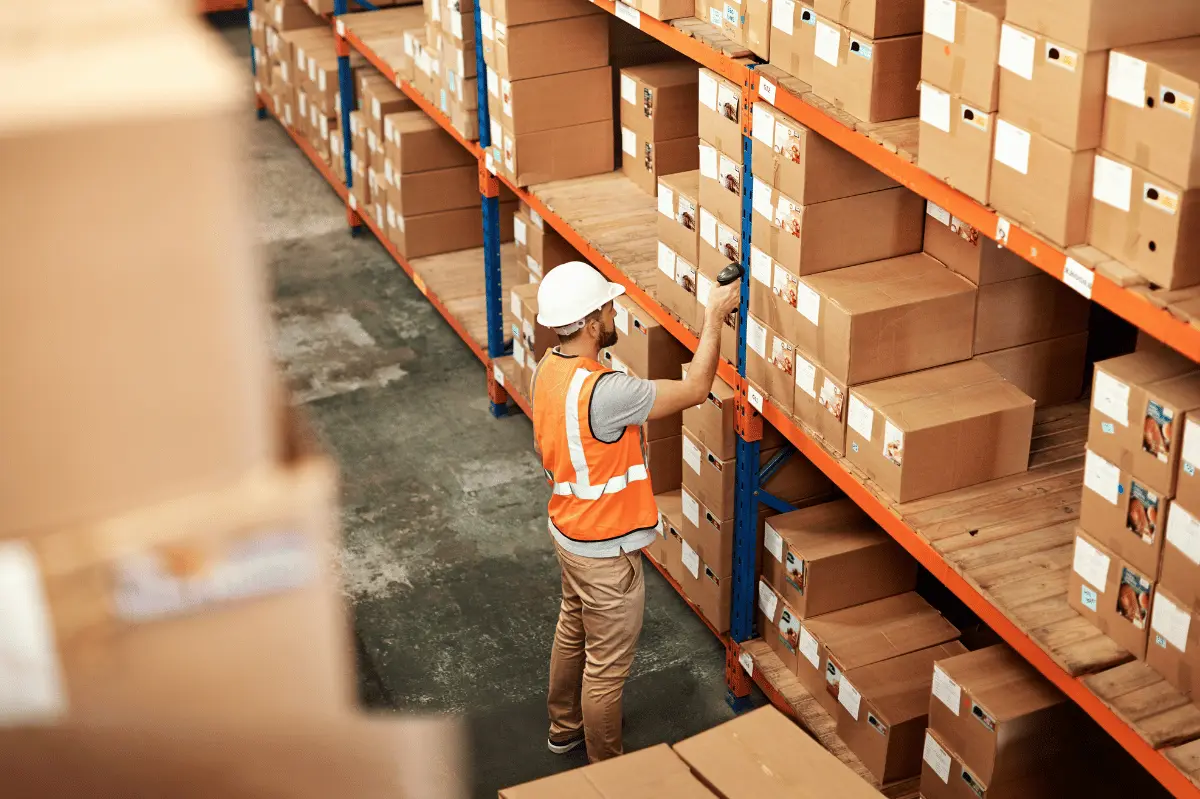
Inventory management and packaging strategy connect more directly than most teams realize. Proper slotting keeps the most frequently used box sizes within easy reach at packing stations. A packer should never have to walk across the floor mid-order for a buried box size.
A warehouse management system plays a role here too, and not just for tracking SKUs. Using a WMS can improve order accuracy by up to 30 percent. Much of that gain comes from connecting inventory data directly to packing instructions. A packer knows exactly which box and how much void fill an order needs. No more guessing based on whatever’s closest.
Customer Expectations Driving Faster Fulfillment
Rising customer expectations have changed what “fast enough” means. Packaging strategy has had to catch up. Fast fulfillment is now a genuine competitive requirement in e-commerce. A decade ago it was a differentiator. Today it’s closer to table stakes.
Expectations have shifted on sustainability too, and not in a way that conflicts with speed. Half of U.S. consumers say they’ll pay 1 to 3 percent more for sustainable packaging. Right-sizing a box and cutting excess material isn’t just a cost play anymore. A growing share of customers are actively looking for it.
Delivery Speed and the Role of Packaging Design
Delivery speed starts well before a package reaches a carrier. Efficient packaging minimizes delays and enhances delivery speed from the moment an order enters the pack station. A well-designed box moves through sealing, labeling, and handoff faster than one that needs extra tape or an extra set of hands.
Lightweight materials matter here in a way that’s easy to overlook. They speed up handling and reduce transit time while still protecting the product inside. A lighter box isn’t a shortcut on protection. It’s often the faster option in every sense, from the pack station to the final mile.
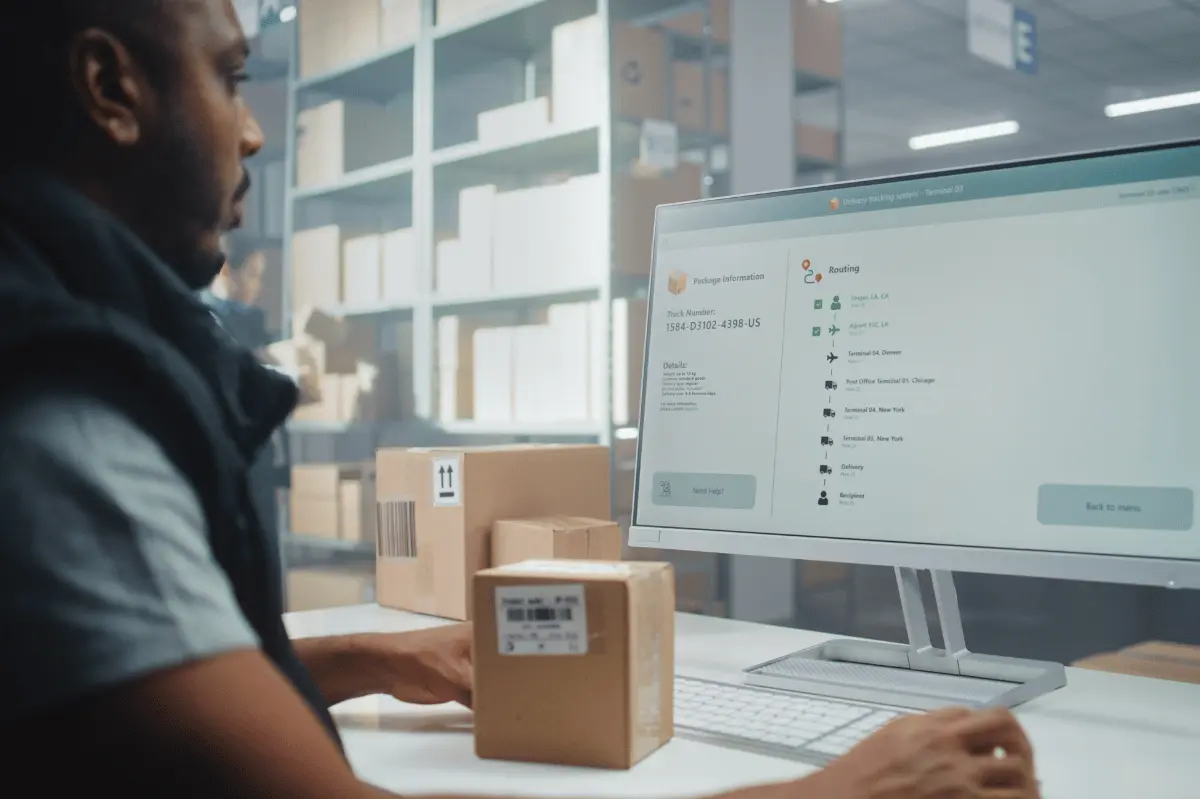
Real-time tracking adds a layer of visibility that reduces delivery risk further downstream. Both the warehouse and the customer get a clearer picture of where a package actually is, instead of a vague delivery window.
Cost Savings From Smarter Packaging Decisions
Cost savings from packaging optimization show up in more places than most budgets account for. Right-sized packaging can reduce waste by up to 26 percent. That reduction touches material cost, dimensional weight charges, and the shipping label itself. A smaller, lighter package often ships in a cheaper rate tier too.
A few real examples make the scale of this clear. HP reduced packaging size by 45 percent for its All-in-One PC line. Walmart’s custom-fitting packaging technology cut filler material needs by 60 percent. Amazon reduced packaging material utilization by 14 percent across part of its catalog. Separately, Amazon cut the packaging cube for its private brand batteries by 33 percent. None of these were small operations making a minor tweak. They were large fulfillment networks treating packaging as a real cost lever, not an afterthought.
Right-sizing packaging also minimizes dimensional weight penalties directly. That matters just as much for a smaller brand shipping a few hundred orders a week as it does for a company shipping millions.
How to Improve Packing Efficiency at the Station Level
Improving packing efficiency usually comes down to removing small decisions. A packer makes hundreds of these decisions a day without even noticing. Streamlined box size variety prevents wasted time searching for or modifying the right box. Standardized packaging reduces cognitive load on warehouse staff by cutting the number of choices per order.
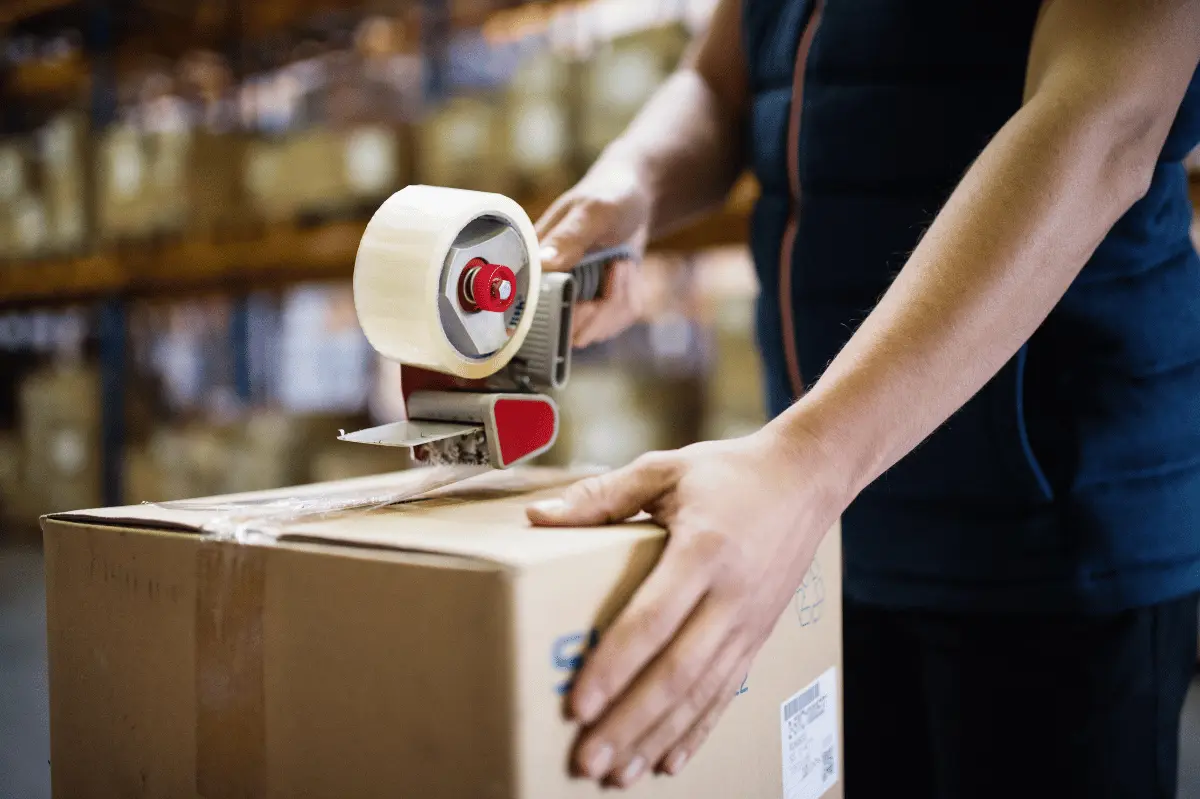
Efficient pick and pack processes can reduce labor costs by 20 percent. A meaningful share of that comes from exactly this kind of friction removal. Self-sealing tape strips cut assembly time noticeably compared to traditional taping methods. Auto-locking box designs save time on folding and taping too, and that time adds up fast across a full shift.
Ergonomic workstation layouts round this out by minimizing unnecessary movement. A packer’s hands should be reaching for what they need, not walking to get it.
Fulfillment Costs Hidden in Packaging Choices
Fulfillment costs tied to packaging rarely show up as a single line item. That’s exactly why they’re easy to miss. Faster fulfillment reduces operational costs and increases scalability at the same time. A pack station that moves efficiently handles more volume without needing more people or more space.
Replacing manual packing methods with automated systems increases throughput during high-volume periods specifically. That’s when the gap between an efficient and inefficient pack station becomes most expensive. A packaging decision that saves thirty seconds per order looks trivial in June. It looks very different once that same decision repeats across thousands of orders in November.
Spotting Inefficient Packaging in Your Fulfillment Process
Inefficient packaging has a few recognizable patterns. An unnecessarily large box for a small product wastes material and wastes space on the truck. It also often triggers dimensional weight charges that cost more than the protection was ever worth.
Excessive packaging shows up just as often in void fill. Minimal void fill reduces packing steps and processing time, which leads directly to faster fulfillment. An oversized box stuffed with extra filler just to keep a product from shifting usually signals the wrong box was chosen in the first place.
Packing errors are the other clear signal. These can be reduced significantly through automated print-and-apply labeling systems. That removes the manual step where mislabeled or mismatched packages tend to originate.
Cardboard Boxes: Getting Size and Material Right
Cardboard boxes still make up the bulk of e-commerce packaging. Most of the speed gains at a pack station come down to getting size and material right, not reinventing the box itself. Corrugated material offers a strong balance of protection and weight. That matters directly for both product protection and shipping cost.
Packaging materials need to work with whatever automated equipment a warehouse runs. A box or tape that doesn’t play well with an auto-sealing or labeling machine creates a manual workaround. That workaround slows the whole line down. Sustainable materials fit into this picture too. Choosing lighter corrugated stock or reducing unnecessary layers cuts both cost and environmental impact, without giving up structural integrity.
E-Commerce Fulfillment and the Case for a Packaging Matrix
E-commerce fulfillment at real volume rarely works well with a single standard box for every order. A packaging matrix is a short, defined list of box sizes mapped to specific SKU types or weight ranges. It lets a pack station move fast without forcing every product into a box that doesn’t fit.
Standardized box sizes speed up selection and the overall packing process. They won’t fit every single order perfectly, and that’s exactly why a matrix with a handful of well-chosen sizes tends to outperform either extreme. One box for everything is too rigid. A custom size for every SKU is too slow.
High-legibility barcodes and RFID tags support this system by speeding up scanning and reducing mispicks. The right box gets matched to the right order without extra verification steps slowing things down.
Batch Picking and Packaging: Why They’re Connected
Batch picking and packaging strategy reinforce each other more than most warehouses plan for. Batch picking can reduce travel time by up to 50 percent. That benefit compounds when the packing station downstream uses the same batch logic. Pre-staging the right box sizes for a batch of similar orders beats making that decision fresh for each one.
Zone picking adds another layer of efficiency in larger warehouses. It increases picking efficiency by roughly 25 percent by keeping pickers within a defined area instead of crossing the entire floor. Pre-staging packaging that matches a zone’s typical order profile means pick and pack handling touches each order only once. No second pass is needed to find the right box after the item’s already picked.
Packaging Design Choices Worth Testing Before Peak
Packaging design decisions are far easier to test in a slow month than to fix mid-surge. Before peak season volume hits, it’s worth running a real comparison. Test a standardized packaging matrix against whatever the current process actually is. Measure pack time per order, not just material cost.
Pre-packaging options for the most common SKU and order combinations can eliminate real bottlenecks before they show up at volume. A pack station that’s already tested its box sizes, void fill approach, and sealing method against a realistic order mix has one less variable to manage. That matters most right when every other part of the operation is under the same pressure.
Getting packaging right isn’t a one-time project. It pays off every time an order moves through the pack station. VESYL’s rate shopping makes it easier to see which packaging choices are actually saving money once the box reaches the carrier, not just on the warehouse floor.
Related Topics
Learn how VESYL can save you money on shipping
Not sure which plan suits you best? Have questions about our software? Contact our sales team for expert guidance.