
A return label seems like a simple thing. The customer gets a label, puts it on a box, drops it off, and the package comes back. What happens behind that label, how it is generated, who pays for it, and how it connects to the rest of the returns workflow, is where most brands have gaps they have not looked at closely enough.
What Is a Return Shipping Label?
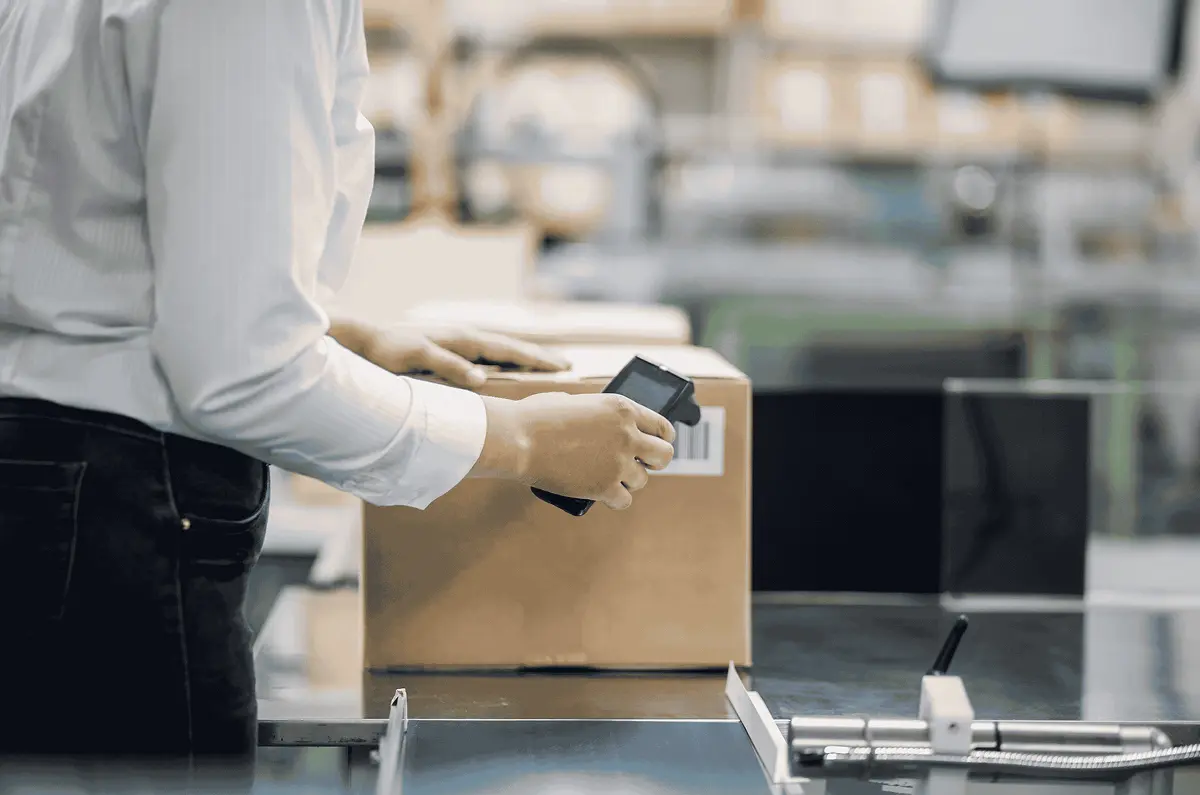
A return shipping label is a prepaid or pay-on-use shipping label that allows a customer to send a product back to the brand or fulfillment center. It contains the return destination address, a barcode that the carrier scans to initiate tracking, and the service level and carrier account information that determines how the return shipment is billed and routed.
The label is the physical entry point into the reverse logistics process. How it is generated, funded, and tracked determines how much visibility a brand has into what is coming back and when.
How Return Labels Are Generated
There are two primary methods for generating return labels.
Box-in-the-box labels are pre-printed and included in the outbound shipment. Every order ships with a return label already inside the package regardless of whether the customer intends to return anything. Simple to execute but costly, because the brand pays for labels that are never used and has no advance notice of what is coming back.
On-demand labels are generated when a customer initiates a return through a return portal or customer service channel. The customer requests a return, selects a reason, and receives a label generated at that point. This approach gives brands advance visibility into inbound returns before they arrive, allows return reason data to be captured at initiation, and eliminates the cost of unused labels.
Most modern return operations use on-demand label generation for these reasons. Box-in-the-box labels persist in categories where return rates are high enough that including them reduces friction meaningfully, such as apparel and footwear.
Who Pays for Return Shipping
Return shipping cost sits with either the brand or the customer depending on the return policy and the reason for the return.
Brand-funded returns, where the label cost is absorbed by the business, are increasingly the expectation in ecommerce. For returns caused by a brand error, a damaged product, or a fulfillment mistake, absorbing the label cost is both the correct policy and the minimum customer expectation.
Customer-funded returns, where the customer pays for return shipping, are more common for change-of-mind returns and in categories where return rates are high enough that free returns would create unsustainable costs. The risk is that return shipping cost at the customer's expense creates a friction point that drives chargebacks and negative reviews rather than clean returns.
Some brands split the difference, offering free returns for exchanges while charging for refund returns. This structure incentivizes exchanges over refunds and is worth modeling for brands where exchange economics are meaningfully better than refund economics.
How Return Labels Connect to Tracking and Inventory
A return label is not just a logistics tool. It is a data source. When the carrier scans the label at drop-off, a tracking event is created that tells the brand a return is in transit before it arrives at the warehouse. That advance visibility allows receiving teams to prepare, inventory systems to anticipate inbound stock, and customer service to proactively update customers on refund timing.
Brands running manual return processes without label-level tracking lose this visibility entirely. Returns arrive unannounced, receiving queues build up, and the gap between return arrival and refund processing widens in ways that generate unnecessary customer contacts.
What Good Return Label Management Looks Like
Return labels should be generated from within the same system managing outbound shipments where possible. This keeps carrier account usage consistent, ensures return shipments are feeding into the same tracking and analytics infrastructure as outbound shipments, and allows return shipping cost to be tracked at the label level rather than appearing as an unitemized line on a carrier invoice.
Return carrier selection matters too. The cheapest outbound carrier is not always the best return carrier. Return shipments have different characteristics, lighter average weights, less time-sensitive transit requirements, and different volume patterns than outbound shipments. Running return carrier decisions through the same rate shopping logic as outbound decisions ensures return shipping cost is being optimized rather than defaulted.
Want to tighten up your returns workflow from label generation through to restocking? Talk to one of our shipping experts. Book a demo.
Related Topics
Learn how VESYL can save you money on shipping
Not sure which plan suits you best? Have questions about our software? Contact our sales team for expert guidance.