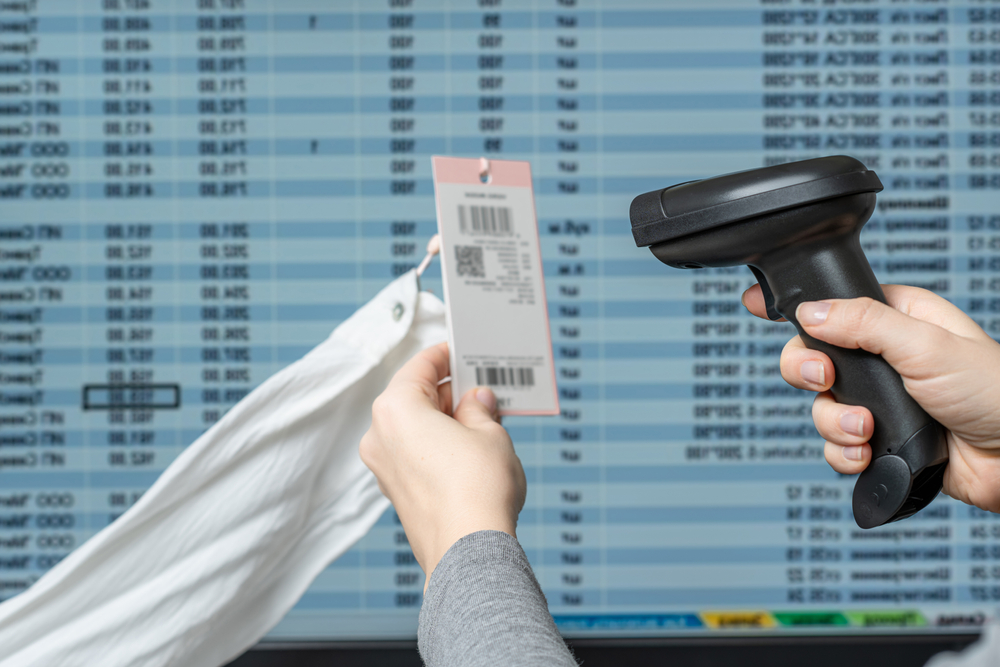

Returns are a cost of doing business. Return fraud is a cost of doing business badly. The difference is that one is unavoidable and the other is largely preventable with the right policies, processes, and data in place.
What Is Return Fraud?
Return fraud is the deliberate misuse of a brand's return policy to obtain a refund, replacement, or store credit without a legitimate reason. It is not a customer making an honest mistake or returning a product that genuinely did not meet expectations. It is an intentional act designed to extract value from the returns process.
It is more common than most brands realize, more varied in how it manifests than most brands track, and more expensive than most brands account for when they calculate the true cost of their return policy.
The Most Common Forms of Return Fraud
Wardrobing, also called price tag fraud or free renting, is one of the most prevalent forms. A customer purchases an item, uses it, and returns it within the return window claiming it was unused. Common in apparel, electronics, and high-value goods, wardrobing is difficult to detect at the point of return and requires condition inspection protocols to catch consistently.
Empty box fraud involves a customer returning a package that contains something other than the original product, either an empty box, a lower-value item, or a damaged substitute. Without scan verification and weight checks at the point of return receiving, this goes undetected until the unit is inspected and the discrepancy is logged too late to reverse the refund.
Receipt fraud covers customers returning items purchased at a lower price or through a different channel using a fraudulent or manipulated proof of purchase to claim a higher refund value.
Friendly fraud, sometimes called chargeback fraud, occurs when a customer claims they never received an order and initiates a chargeback through their payment provider, while actually keeping the item. For brands without robust delivery confirmation and tracking data, disputing these claims is difficult.
Serial returners are customers who return a disproportionate percentage of their purchases as a pattern rather than an isolated incident. Individually, each return may appear legitimate. In aggregate, the pattern represents a customer relationship that is net negative for the business.
Why Return Fraud Is Underreported
Most brands do not have the operational visibility to distinguish fraudulent returns from legitimate ones at the point of processing. Returns come in, get inspected at varying levels of rigor, and refunds go out. The data needed to identify fraud patterns, return rates by customer, condition discrepancies by product, and timing patterns relative to purchase date, often sits across disconnected systems that no one is joining together.
The result is that return fraud gets absorbed into general return costs rather than being identified, measured, and addressed as a distinct problem.
How to Reduce Return Fraud Without Damaging Legitimate Returns
Policy clarity is the starting point. Vague return policies create ambiguity that fraud exploits. Specific language around condition requirements, return windows, proof of purchase, and what qualifies for a refund versus a store credit removes that ambiguity without making the policy punitive for genuine customers.
Condition inspection protocols at the receiving dock are essential. Every returned item should be inspected against a defined standard before a refund is authorized. Weight and item verification at return receipt catches empty box and substitution fraud before the refund is processed.
Customer-level return data allows operations and customer service teams to identify serial returners and flag accounts for review. A customer returning 60% of purchases over 12 months warrants a different response than a first-time return from an otherwise clean order history.
Delivery confirmation and tracking data is the primary defense against friendly fraud. Carriers that provide delivery scan data, including GPS confirmation on residential deliveries, give brands the evidence needed to dispute chargeback claims effectively.
Return fraud costing more than you can measure? Talk to one of our shipping experts about tightening the workflows that let it happen. Book a demo.
Related Topics
Learn how VESYL can save you money on shipping
Not sure which plan suits you best? Have questions about our software? Contact our sales team for expert guidance.


.png)
%20(1).png)