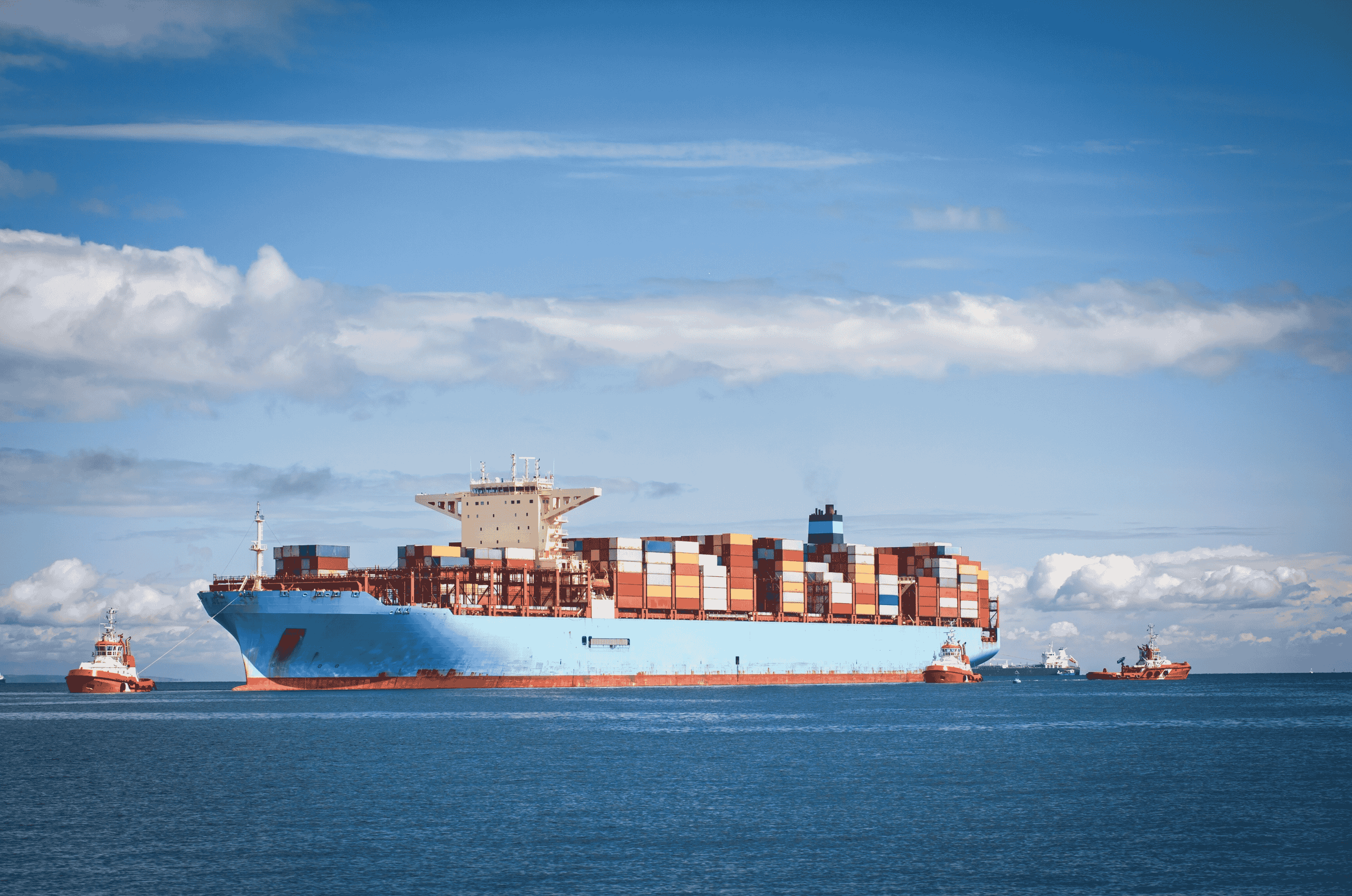

Shipping and logistics never slow down, and this week brought several developments that could directly affect how companies move goods and manage supply chains. From a major U.S. tariff ruling to tightening trucking capacity and new shifts in fulfillment strategies, the landscape continues to evolve.
We’ve broken down the stories that matter most to shippers and what they mean for your operations, whether you manage a small ecommerce brand or oversee global logistics.
Here are the 5 key shipping stories and what they mean for shippers this week.
The Top 5 Shipping News Stories This Week
1. U.S. Tariff Enforcement Shifts After Supreme Court Ruling
A major legal decision is reshaping the trade landscape. The U.S. Supreme Court ruled that tariffs imposed under the International Emergency Economic Powers Act (IEEPA) were unlawful, meaning U.S. Customs and Border Protection can no longer collect those specific duties.
For companies importing goods into the United States, this ruling could lower certain import costs and change how tariffs are applied moving forward.
What It Means for Shippers
Businesses involved in international trade may see immediate cost relief depending on the goods they import. However, it also highlights how quickly trade policy can change.
Now is a good time to:
- Review your tariff exposure
- Revisit sourcing strategies
- Work with customs brokers or logistics partners to confirm which shipments may be affected
Staying informed on trade policy is critical for managing costs and avoiding surprises at the border.
2. New CDL Rules Could Tighten Trucking Capacity
New federal rules affecting non-domiciled Commercial Driver’s Licenses (CDLs) took effect in March 2026. These changes tighten requirements for certain drivers who operate commercial vehicles in the United States.
Industry estimates suggest that thousands of drivers could lose eligibility, which may reduce the available trucking workforce.
Since trucking moves the majority of domestic freight in the U.S., even small changes in driver availability can affect capacity and pricing.
What It Means for Shippers
Reduced driver availability can lead to:
- Higher trucking rates
- Longer booking times
- Less flexibility for last-minute shipments
Operations and logistics teams should consider planning shipments earlier, strengthening relationships with reliable carriers, and exploring alternatives like intermodal transportation where possible.
3. Ecommerce Fulfillment Networks Continue to Expand and Automate
The ecommerce logistics ecosystem is rapidly evolving. Over the past week, several logistics providers expanded dropshipping supplier networks and opened new fulfillment centers designed to increase order processing capacity.
At the same time, warehouses are investing heavily in automation, robotics, and AI-driven systems to speed up picking, packing, and inventory management. These technologies help reduce errors, increase throughput, and manage rising order volumes.
What It Means for Shippers
For brands selling online, fulfillment efficiency is becoming a key competitive advantage.
Companies should evaluate:
- Whether their current fulfillment network supports fast delivery
- Opportunities to automate repetitive warehouse processes
- Partnerships with third-party logistics providers (3PLs) that use advanced technology
Even smaller brands can benefit from technology-enabled fulfillment partners that offer scalability without large upfront investments.
4. Intermodal Shipping Gains Ground as Truckload Costs Rise
The price gap between truckload (TL) shipping and intermodal transportation continues to widen.
Intermodal shipping combines rail and trucking, allowing freight to move long distances by rail before trucks handle the final delivery. Rail transport is often more fuel-efficient and less expensive over long distances.
With trucking costs rising and driver capacity tightening, intermodal is becoming an increasingly attractive option for many shippers.
What It Means for Shippers
For shipments traveling 700 miles or more, intermodal can often provide meaningful cost savings.
Companies should review their transportation strategies to determine if some freight could shift from full truckload to intermodal.
While intermodal may have slightly longer transit times in some cases, the cost savings and reliability improvements can make it a strong option for planned shipments.
5. South American Port Congestion Raises Rollover Risks
Some ports across South America are experiencing higher container rollover risks, meaning cargo booked on a vessel may be delayed to a later sailing if space runs out.
Changes in vessel rotations and feeder schedules are also affecting timing between major ports and smaller regional ports.
For companies relying on imports or exports through South America, this could result in unexpected delays and supply chain disruptions.
What It Means for Shippers
Shippers with South American supply chains should:
- Monitor port conditions closely
- Build additional buffer time into delivery schedules
- Communicate proactively with carriers and freight forwarders
Advance planning and visibility into port conditions can help avoid last-minute disruptions and keep inventory levels stable.
The Bottom Line
This week’s developments highlight how quickly the shipping environment can change. Trade rulings, transportation capacity shifts, new fulfillment technologies, and port congestion all play a role in how goods move around the world.
For logistics and operations teams, staying informed isn’t just helpful, it’s essential.
Companies that adapt quickly, diversify transportation strategies, and invest in efficient fulfillment networks will be better positioned to manage costs, reduce delays, and keep supply chains running smoothly.
Related Topics
Learn how VESYL can save you money on shipping
Not sure which plan suits you best? Have questions about our software? Contact our sales team for expert guidance.


%20(1).webp)
.webp)