
Shipping and logistics never slow down, and this week brings a mix of tighter trade enforcement, infrastructure strain, and operational shifts that could directly impact how goods move across the globe.
From new tariff investigations to major changes in fulfillment workflows and rising pressure on key shipping routes, we’ve broken down the stories that matter most, along with what they mean for your day-to-day operations.
Here are the 5 key shipping stories and what they mean for your business this week.
The Top 5 Shipping & Logistics Stories This Week
1. U.S. Targets Global Trade Compliance with New Tariff Investigations
The U.S. Trade Representative has launched sweeping Section 301 investigations across more than 60 economies, focusing on issues like forced labor enforcement and industrial overcapacity. Major trade partners, including China, the EU, India, Mexico, and Vietnam, are under review.
What It Means for Shippers
This marks a shift from broad tariffs to more targeted enforcement. Instead of blanket increases, expect specific products or countries to face sudden duty hikes, especially in sectors like electronics, steel, and manufacturing inputs.
For operators, this raises the stakes on compliance. Missteps in product classification or sourcing could quickly become expensive. Now is the time to:
- Double-check Harmonized Tariff Schedule (HTS) codes
- Map supplier exposure by country
- Build flexibility into sourcing strategies
2. FedEx Network Overhaul and Freight Spin-Off Reshape U.S. Shipping Capacity
FedEx reported strong Q3 earnings, driven by its “Network 2.0” initiative, which is merging Express and Ground operations to streamline delivery networks. At the same time, its freight division is set to spin off into a standalone company by June 2026.
What It Means for Shippers
This is a major shift in domestic logistics capacity.
In the short term, network consolidation could create temporary service disruptions as facilities and routes are merged. But long term, shippers may benefit from:
- Faster, more integrated delivery networks
- Improved efficiency and cost structures
The freight spin-off will also introduce a new major LTL (less-than-truckload) carrier, potentially increasing competition and pricing options in the market.
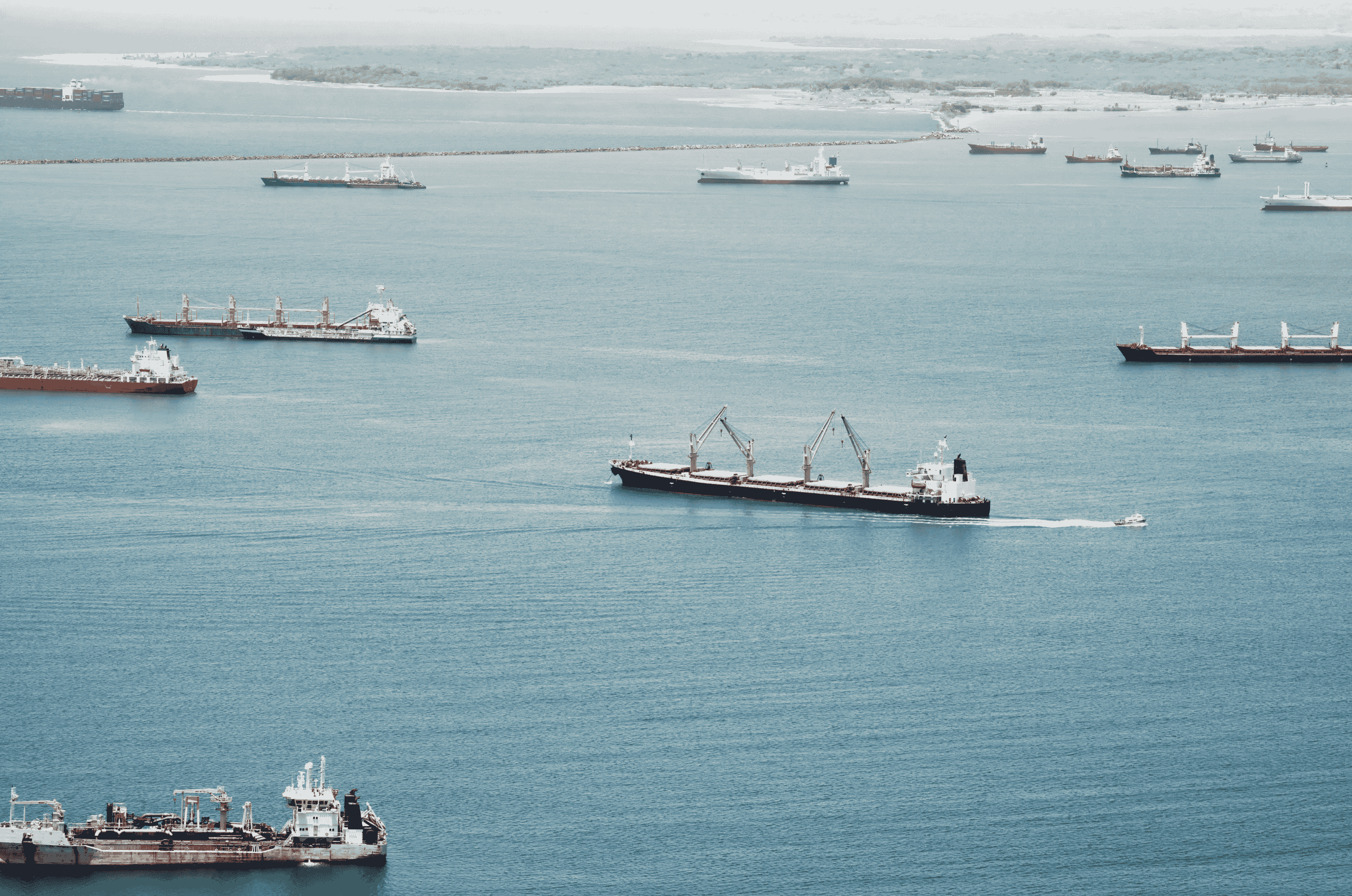
3. Panama Canal Congestion Intensifies as Global Shipping Routes Shift
The Panama Canal is now operating at maximum capacity, handling up to 38 ships per day. A key driver is the rerouting of LNG and crude shipments due to instability in the Middle East, pushing more vessels away from the Suez Canal and into Panama.
What It Means for Shippers
When a major chokepoint like the Panama Canal gets congested, the ripple effects are global.
Expect:
- Longer transit times due to vessel queues
- Higher costs from premium slot auctions
- Schedule disruptions across ocean freight networks
Even if you’re not shipping through Panama directly, delays can cascade across carrier schedules. Build extra buffer time into shipments and monitor routing closely, especially for East Coast deliveries.
4. Amazon Ends Commingled Inventory, Increasing Fulfillment Complexity
Amazon is eliminating commingled inventory for resellers starting March 31, requiring all products to use Amazon-specific FNSKU barcodes instead of manufacturer UPC/EAN codes.
What It Means for Shippers
This is a major operational change for anyone using Fulfillment by Amazon (FBA), especially resellers and 3PL providers.
Previously, identical products from multiple sellers could be stored together. Now, every unit must be individually labeled and tracked.
That means:
- More prep work and labor costs
- Slower inbound processing times
- Greater need for warehouse accuracy
The upside is improved quality control and reduced counterfeit risk, but businesses should prepare for increased complexity in their fulfillment workflows.
5. New Trade Fraud Task Force Cracks Down on Tariff Evasion
A new U.S. government task force, combining efforts from the DOJ and Customs authorities, is targeting tariff evasion practices like misclassification, undervaluation, and incorrect country-of-origin reporting.
What It Means for Shippers
Compliance is no longer just a back-office task, it’s now a frontline operational priority.
With increased use of AI-driven audits, even small errors can trigger serious consequences, including:
- Fines or penalties
- Shipment delays or holds
- Full-scale investigations
For logistics and operations teams, this reinforces the need to:
- Ensure accurate documentation across shipments
- Audit internal compliance processes
- Work closely with customs brokers and partners
Getting compliance right isn’t just about avoiding penalties, it’s becoming a key lever for cost control and risk management.
The Bottom Line
This week highlights a clear trend: shipping is becoming more complex, regulated, and interconnected.
Trade enforcement is tightening, global routes are under pressure, and operational requirements, from carriers to ecommerce platforms, are evolving quickly.
For shippers of all sizes, the takeaway is simple:
visibility, flexibility, and compliance are more important than ever.
Staying ahead of these changes isn’t just about reacting—it’s about building a supply chain that can adapt in real time.
Related Topics
Learn how VESYL can save you money on shipping
Not sure which plan suits you best? Have questions about our software? Contact our sales team for expert guidance.
.png)
%20(1).png)
.png)