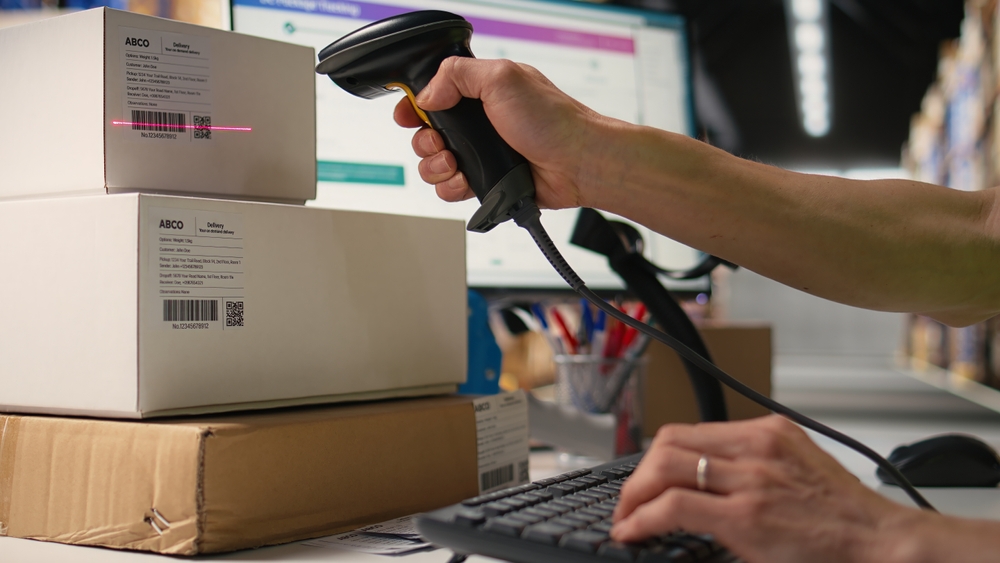

Shipping errors are expensive. A wrong item sent to a customer means a return, a replacement, and a support interaction that should never have happened. Most of these errors do not happen because people are careless. They happen because the verification step is either missing or too easy to skip. Scan verification closes that gap.
For operations processing high daily order volumes, even a small error rate generates a meaningful number of problems. Accuracy in scan verification can reduce shipping errors by 80 to 95% compared to manual checking. That is not a marginal improvement. It is a structural change in how errors are caught and contained.
This article covers what scan verification is, where it fits in the fulfillment workflow, and why it is increasingly essential for warehouse logistics operations that need to scale without sacrificing order accuracy.
What Is Scan Verification in Shipping?
Scan verification is a digital quality-control process used in shipping to ensure that every order contains the correct items and quantities before it leaves a warehouse. It works by scanning a barcode or QR code on an item, carton, or label during the fulfillment workflow to confirm that what is being packed or shipped matches what was ordered.
Instead of relying on a visual check or a picker's memory, the system confirms the match automatically against the order number and SKU data. If the wrong item is scanned, the software flags the discrepancy immediately and prevents the workflow from continuing until it is resolved.
Where Scan Verification Happens
Scan verification can be applied at multiple points in the fulfillment workflow depending on how an operation is set up.
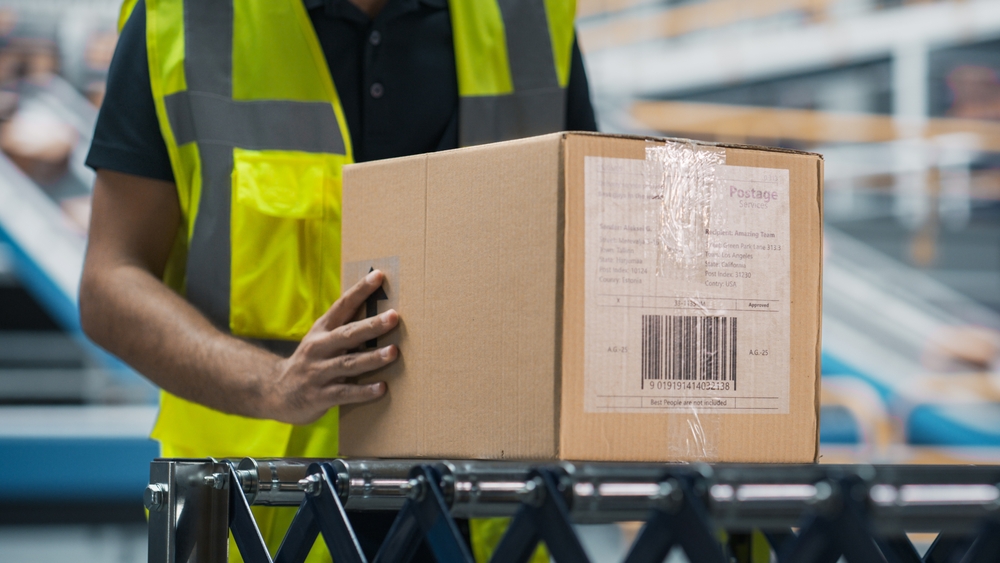
At the pick stage, barcode scanning confirms the correct item has been pulled from the correct location. At the pack stage, scanning verifies that what goes into the box matches the order and the expected quantity. At the ship stage, scanning confirms the correct label is applied to the correct package before it is handed to a carrier. Some operations also use weight verification at this point, comparing the actual weight of a package to its expected weight based on scanned contents as a final check.
Each checkpoint adds a layer of protection. Operations running all three have significantly lower error rates than those relying on visual verification alone.
Shipping Errors: The Real Cost
The cost of a fulfillment error is rarely just the cost of reshipping. It includes return handling, replacement inventory, customer service time, and the reputational impact of a poor delivery experience. Mistakes in picking and packing that go undetected until after delivery cost multiples more than errors caught at the pack stage.
Scan verification reduces those costs by catching errors at the source. An item flagged during packing costs almost nothing to correct. The same error caught after the package has left your facility is a different problem entirely. Relying on a single carrier to deliver all of that, across every zone, every order type, and every season, is an operational risk most businesses can not afford, and the same logic applies to relying on manual verification in a high-volume warehouse.
Real-Time Visibility Across the Fulfillment Workflow
Every scan during the shipping process provides instant updates to inventory levels and shipment status, giving operations real-time visibility into what is moving and where. This is not just useful for accuracy. It supports inventory management by preventing stockouts, and it generates a digital audit trail that identifies who handled a shipment and when.
That audit trail matters for accountability. When a discrepancy arises, whether it is a missing item, a wrong SKU, or a label applied to the wrong package, the data exists to trace exactly where the process broke down. That kind of transparency makes it faster to identify the root cause and adjust the workflow accordingly.
Real-Time Tracking and Customer Satisfaction
Barcode scan delivery confirmation extends scan verification beyond the warehouse. Scanning packages upon delivery confirms they have reached their intended destination and provides proof of delivery, giving both the business and the customer a clear record of the transaction.
Customers increasingly expect transparency and reliability in their deliveries. Real-time tracking at every stage of the shipment journey, from facility to door, directly impacts customer satisfaction. When orders arrive accurately and on time, with status updates available throughout, the delivery experience reinforces trust rather than eroding it. Organizations using scan-to-verify technology typically achieve accuracy rates of 99.9%, which has a measurable downstream effect on customer experience.
Improved Efficiency Through Automation and Integration
Scan verification is most effective when it is built into the workflow rather than added on top of it. Automated shipping workflows that confirm order contents and generate shipping labels simultaneously eliminate manual label errors and reduce the need for separate verification steps. Scan-to-Verify and Print technology, which confirms items and prints shipping labels in one step, is a practical example of how integration improves efficiency without adding complexity.
The system should provide clear, immediate feedback. A correct scan should be fast and frictionless. An incorrect scan should be unmistakably flagged so the error is addressed before the workflow continues. Staff should not be able to bypass the scan step without a deliberate override, and overrides should be logged.
Technology Options: Barcodes and RFID
Barcode scanning is the most widely used method and works across a range of devices, from handheld scanners to mobile devices integrated with shipping software. It is accurate, accessible, and easy to implement across most warehouse environments.
RFID technology offers an alternative for operations that need to scan multiple items simultaneously or require non-line-of-sight reading. RFID portals automate the shipment verification process by automatically reading and recording tag data as shipments enter or leave the warehouse, reducing labor costs and improving accuracy. Integration with warehouse management systems allows for automatic data transfer, which eliminates manual data entry and further reduces human error.
Enhanced Security and Accountability
Scan verification adds a layer of enhanced security to the fulfillment process that manual methods cannot replicate. Every scan creates a data record tied to a specific order, item, and operator. That record is generated automatically, which means it is not dependent on anyone remembering to log it.
For operations handling high-value shipments or pallets with multiple SKUs, this level of accountability is essential. It also provides a defensible record in the event of a dispute, whether with a customer, a carrier, or a supplier.
Fulfillment errors adding up and not sure where they are coming from? Speak to one of our shipping experts today.
Related Topics
Learn how VESYL can save you money on shipping
Not sure which plan suits you best? Have questions about our software? Contact our sales team for expert guidance.
.png)
%20(1).png)
.png)