
Import volumes are hitting records, a major carrier's software just proved how fragile single-carrier dependency is, and the Strait of Hormuz is heating up again. None of these stories are isolated. Together they make the case for the same thing: operators who diversify their carrier mix and build in contingency now will spend the rest of the year reacting less than everyone else.
The Top 5 Shipping Stories This Week
1. U.S. Container Imports Set to Hit an All-Time Record in July
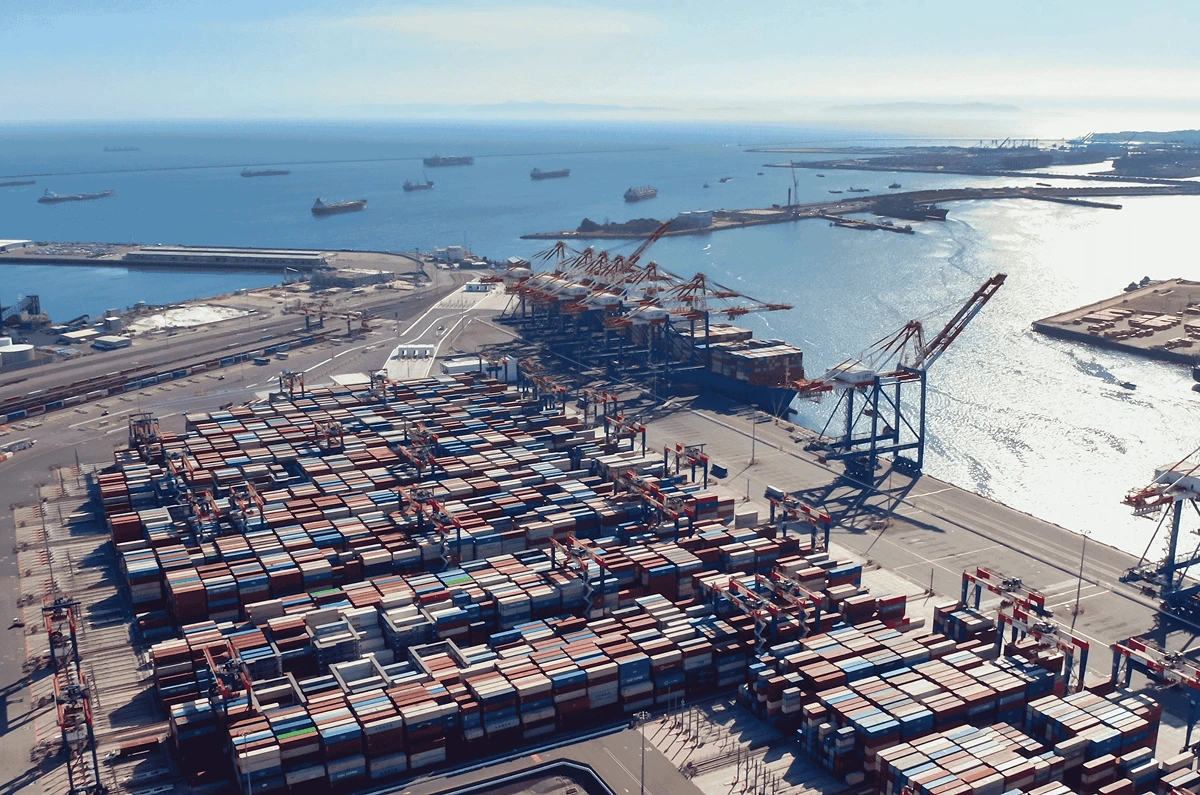
U.S. ports are on track to handle 2.47 million TEUs this month, a new record and a 3.3% jump year-over-year. The driver is tariff front loading, with retailers rushing to bring in goods ahead of a new round of forced-labor tariffs expected as early as August.
What It Means for Shippers
This pulls peak season forward and stacks pressure on warehouse capacity and drayage networks before most teams are staffed for it. Storage costs climb fast when goods arrive early and sit.
- Reassess warehouse capacity assumptions now, not in September
- Get ahead of drayage bookings before rates tighten further
- Model storage cost exposure if inbound goods sit longer than planned
- Build inventory placement logic that accounts for early arrivals, not just planned ones
Operators who plan for early inventory now will avoid paying for the chaos later.
2. UPS WorldShip Outage Exposes the Cost of Single-Carrier Dependency
A faulty software update to UPS WorldShip on July 6 triggered widespread "Internal Application Error" messages, leaving businesses unable to process shipments through the platform. Teams scrambled for alternative carriers or accepted delays while UPS worked the fix.
What It Means for Shippers
This is the clearest argument this year for not routing everything through one carrier's proprietary system. When that system goes down, so does your fulfillment.
- A single point of failure in your shipping software is a single point of failure in your business
- Multi-carrier platforms with automatic failover exist precisely for moments like this
- Teams without a backup plan lost hours or days they can't get back
- Customer experience takes the hit fastest when shipping stalls, well before anyone notices a "software issue" upstream
If your shipping operation depends on one carrier's platform staying up, that's not a strategy, that's a risk you're carrying unpriced.
3. Strait of Hormuz Tensions Escalate After Iranian Attack on Civilian Vessel
An Iranian attack on a civilian shipping container in the Strait of Hormuz drew direct retaliatory strikes from the Pentagon, straining an already fragile U.S.-Iran ceasefire. Commercial vessel safety through the chokepoint is now in question, with insurance and rerouting concerns building.
What It Means for Shippers
Even operators with no direct exposure to the region will feel this through freight rates. War-risk insurance premiums rise first, ocean freight costs follow.
- Expect ocean freight rate volatility tied to insurance and rerouting decisions.
- Transit times may extend if carriers pull vessels from the Strait
- Buffer inventory on critical SKUs becomes more important, not less
- Diversified sourcing is the practical hedge against a chokepoint you don't control
This is a reminder that global freight costs are shaped by geography you don't operate in but still have to plan around.
4. LTL Capacity Squeeze Spreads Across the Midwest
Service embargoes from two major LTL carriers issued in late June have spread further across the Midwest, straining competing networks as capacity tightens. Truckload spot rates are already running well above last year, signaling a broader freight market shift heading into the second half of 2026.
What It Means for Shippers
Regional capacity crunches don't stay regional for long. When one carrier embargoes a lane, the volume doesn't disappear, it moves to whoever still has room, and that fills up fast.
- A single-carrier LTL relationship is now a real operational liability
- Real-time visibility into carrier capacity matters more than it did six months ago
- Regional and national carrier diversity gives you options when embargoes hit
- Rising spot rates are a signal to lock in capacity commitments before Q4 pressure builds
The operators who feel this least will be the ones who already spread their freight across more than one network.
5. Amazon Continues Closing the Gap on FedEx and UPS
Amazon is on pace to surpass both FedEx and UPS in package volume, driven by its expansion into pure pick-and-delivery services beyond its own marketplace. Reports indicate FedEx and UPS have already declined to renew certain contracts as Amazon pushes further into the broader logistics market.
What It Means for Shippers
Amazon is no longer just a channel, it's becoming a carrier option in its own right. That changes the leverage conversation with your traditional carriers.
- Amazon's growth gives shippers a new negotiating lever with FedEx and UPS
- Carrier contract renewals are worth revisiting now, not at expiration
- A diversified carrier strategy protects against any single carrier's shifting priorities
- Watching how Amazon prices its expanding logistics services will matter for rate benchmarking going forward
The carrier landscape is shifting from three major players to something less predictable, and predictability is exactly what your carrier strategy should be built to survive without.
The Bottom Line
This week is a case study in why redundancy isn't overhead, it's protection. Record import volumes, a carrier software outage, a geopolitical chokepoint, a regional capacity squeeze, and a shifting competitive landscape all point to the same operational truth: relying on one carrier, one route, or one system to hold is a bet most operators can't afford to make right now. Smart operators are using this week's news as a prompt to stress-test their own setup, not just read about someone else's. The teams that come out ahead in the second half of 2026 will be the ones who built in options before they needed them.
Related Topics
Learn how VESYL can save you money on shipping
Not sure which plan suits you best? Have questions about our software? Contact our sales team for expert guidance.
%20(1).webp)
.webp)
%20(1).webp)
.webp)